What Age Should Children Learn Cursive?

Many homeschool parents eventually ask the same question: What age should children learn cursive?
Save This Page
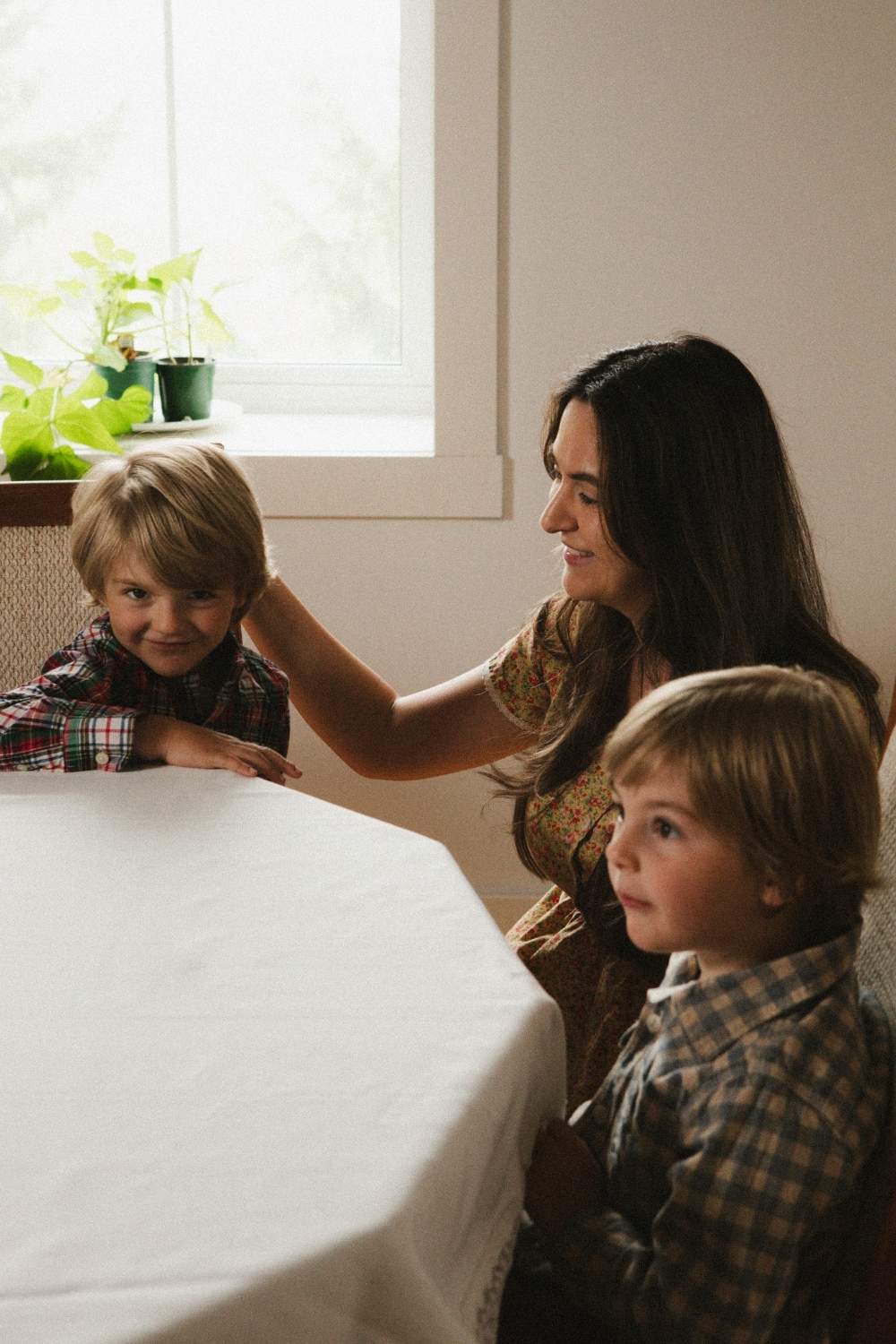
The answer may surprise you. When my 5 1/2-year-old begged me to let him start learning, I was pretty confused, and it led me to research this topic further.
One of my 2026 resolutions was to improve my own cursive as an adult. After watching me write alongside his own morning copywork lessons for homeschool, he was intrigued by the weird shapes mom was making.
While many schools have delayed cursive instruction until third grade (or, sadly, dropped it altogether), children are often capable of learning cursive much earlier than most people realize. In fact, there is no single “correct” age. Readiness depends far more on a child’s fine motor skills, attention span, and interest than on his birthday.
That said, most children are ready to begin learning cursive sometime between the ages of 6 and 8.
The Best Age to Start Cursive
For most children, ages 6 to 8 provide an ideal window for learning cursive.
By this age, children have usually developed:
- Basic pencil control
- The ability to form print letters
- Improved hand strength
- Longer attention spans
- The patience to practice a new skill
Some children may be ready earlier, while others benefit from waiting another year. There is no prize for learning cursive first, and there is no disadvantage to starting a little later.
The goal is not speed. The goal is beautiful, confident handwriting.
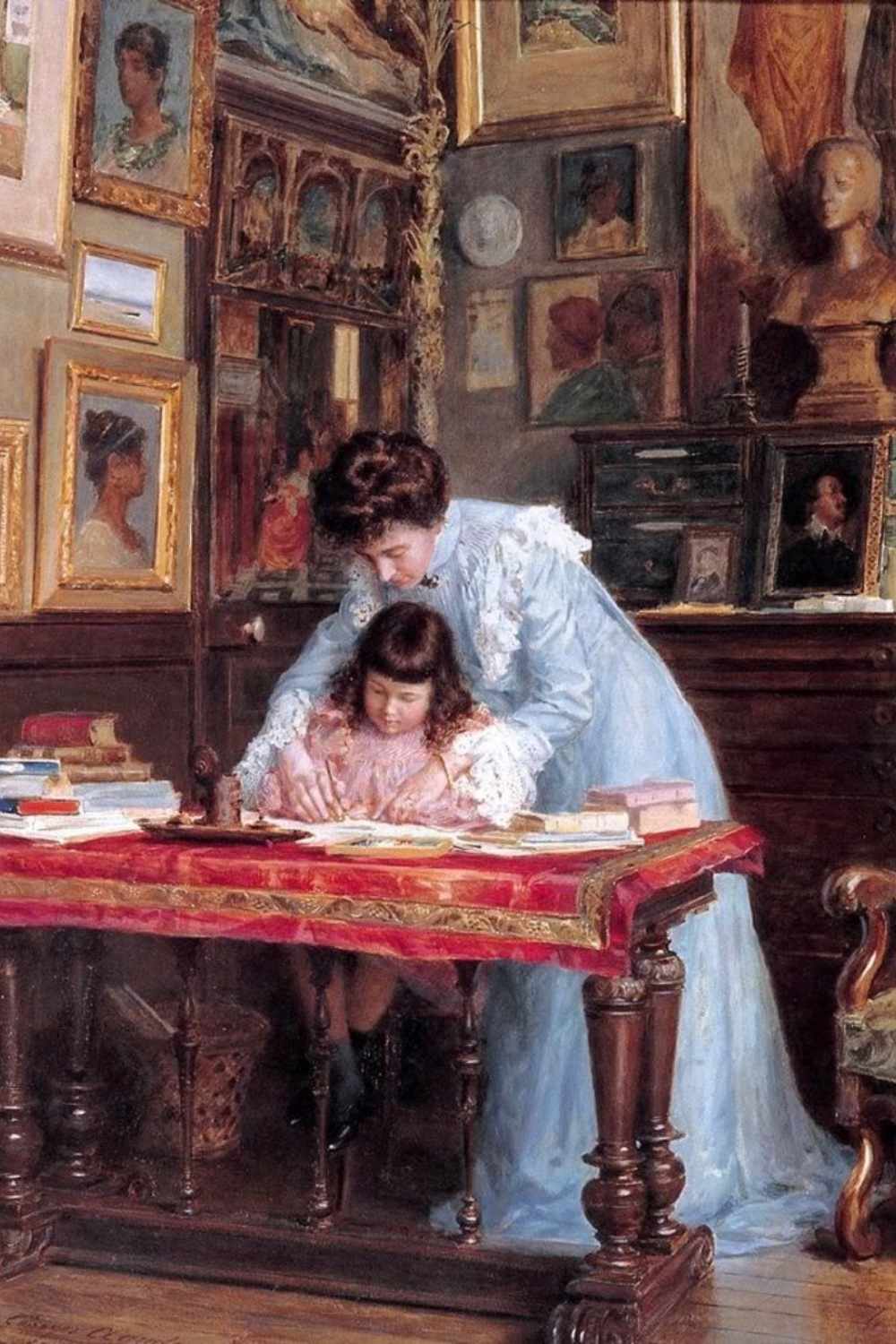
Should Children Learn Print Before Cursive?
Many parents assume that children must completely master print handwriting before beginning cursive.
In reality, there is no universal rule.
Some educators prefer teaching print first because children encounter printed text everywhere in books and daily life. Others argue that cursive is actually easier for many children because the letters flow naturally together and require fewer pencil lifts.
For most homeschool families, a practical approach is to begin with basic print handwriting and then introduce cursive once the child is comfortably reading and writing simple words.
Signs Your Child Is Ready for Cursive
Rather than focusing solely on age, watch for signs of readiness.
Your child may be ready to begin cursive if he:
- Forms most print letters correctly
- Holds a pencil comfortably
- Enjoys drawing or writing
- Can focus on a short handwriting lesson
- Shows interest in learning “fancy” writing
If handwriting lessons are ending in tears and frustration, it may be worth waiting a few more months before introducing cursive.
What About Children Who Are Older?
If your child is 9, 10, or even older and has not yet learned cursive, there is no need to worry.
Children often learn cursive very quickly once they possess mature fine motor skills and reading fluency. In many cases, older children progress faster than younger children because they already understand letter formation and can focus more easily.
Cursive is not a skill that must be learned during a narrow developmental window.
A Look at History
Historically, children often began penmanship instruction at younger ages than many modern students. Throughout the eighteenth, nineteenth, and early twentieth centuries, handwriting was considered an essential academic subject. Children spent years practicing copybooks, tracing letters, and copying passages to develop neat and legible handwriting.
The exact age varied by time period and school, but many students were introduced to formal penmanship as soon as they had basic reading skills and sufficient pencil control. Handwriting was not viewed as an optional enrichment activity—it was considered a foundational part of education.
How to Introduce Cursive Successfully
Keep lessons short and enjoyable.
A few minutes of daily practice is often more effective than occasional long sessions.
Start with:
- Individual letters
- Letter families with similar strokes
- Simple words
- Short sentences
- Poetry and copywork passages
Consistent practice matters far more than the amount completed on any single day.
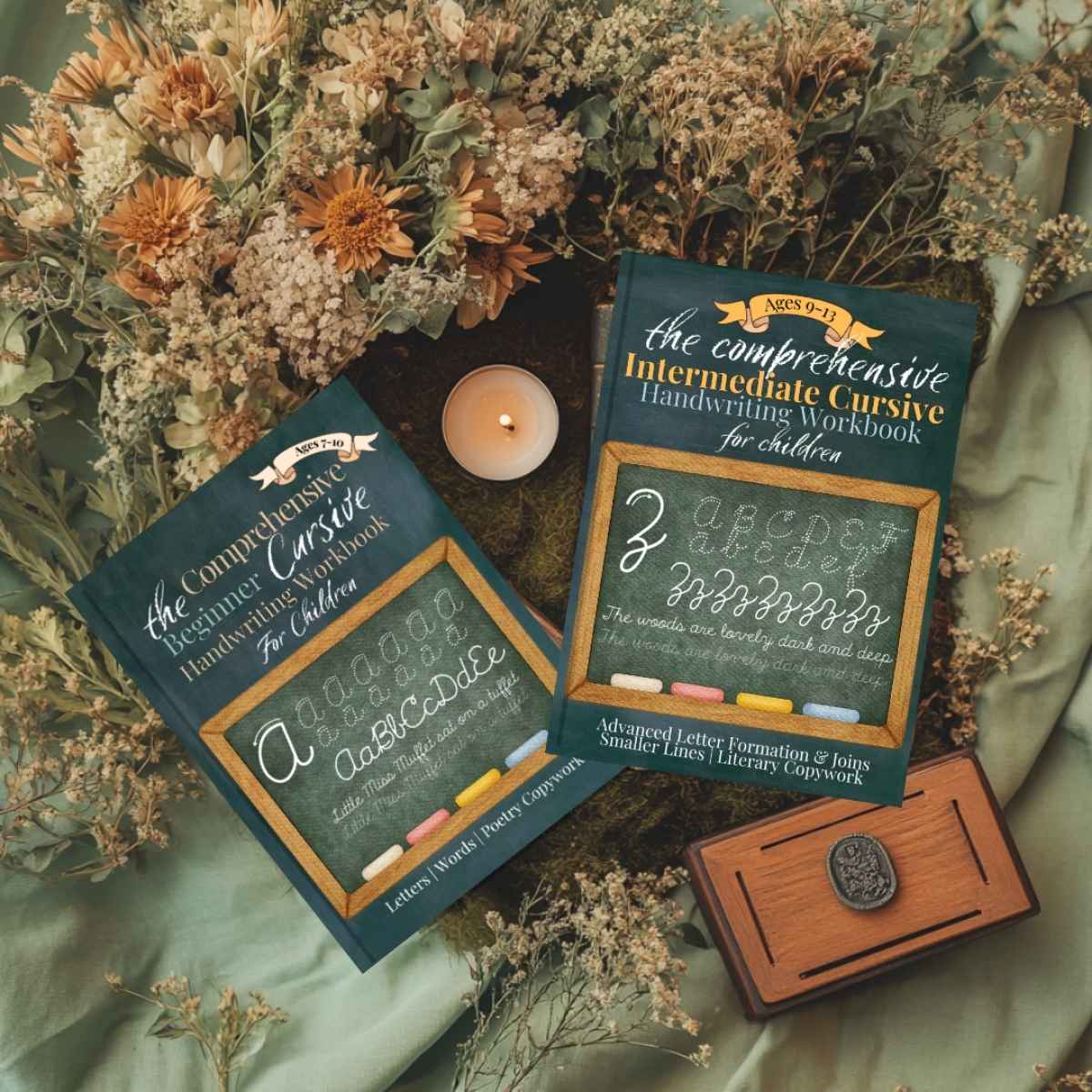
Learn Cursive Through Copywork
One of the most enjoyable ways to learn cursive is through the age-old practice of copywork.
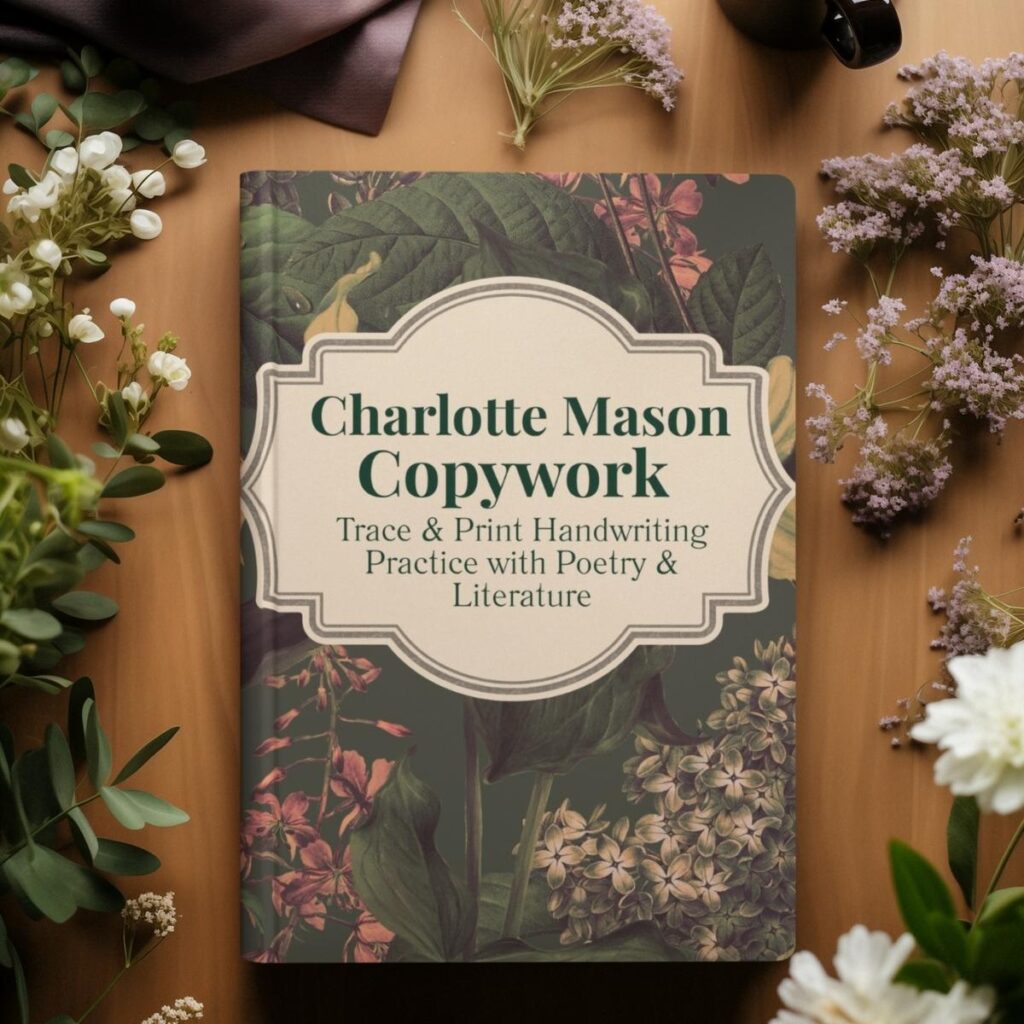
Related Article: Charlotte Mason Copywork: What It Is and Why It Works
Rather than filling pages with disconnected letters and drills and nothing else, children practice their cursive handwriting by copying meaningful words, sentences, poetry, prayers, proverbs, and passages from great literature.
This approach allows them to develop cursive skills while simultaneously absorbing correct spelling, punctuation, grammar, and beautiful language. Because the focus is on worthy and interesting content, copywork often feels less tedious than traditional handwriting exercises.
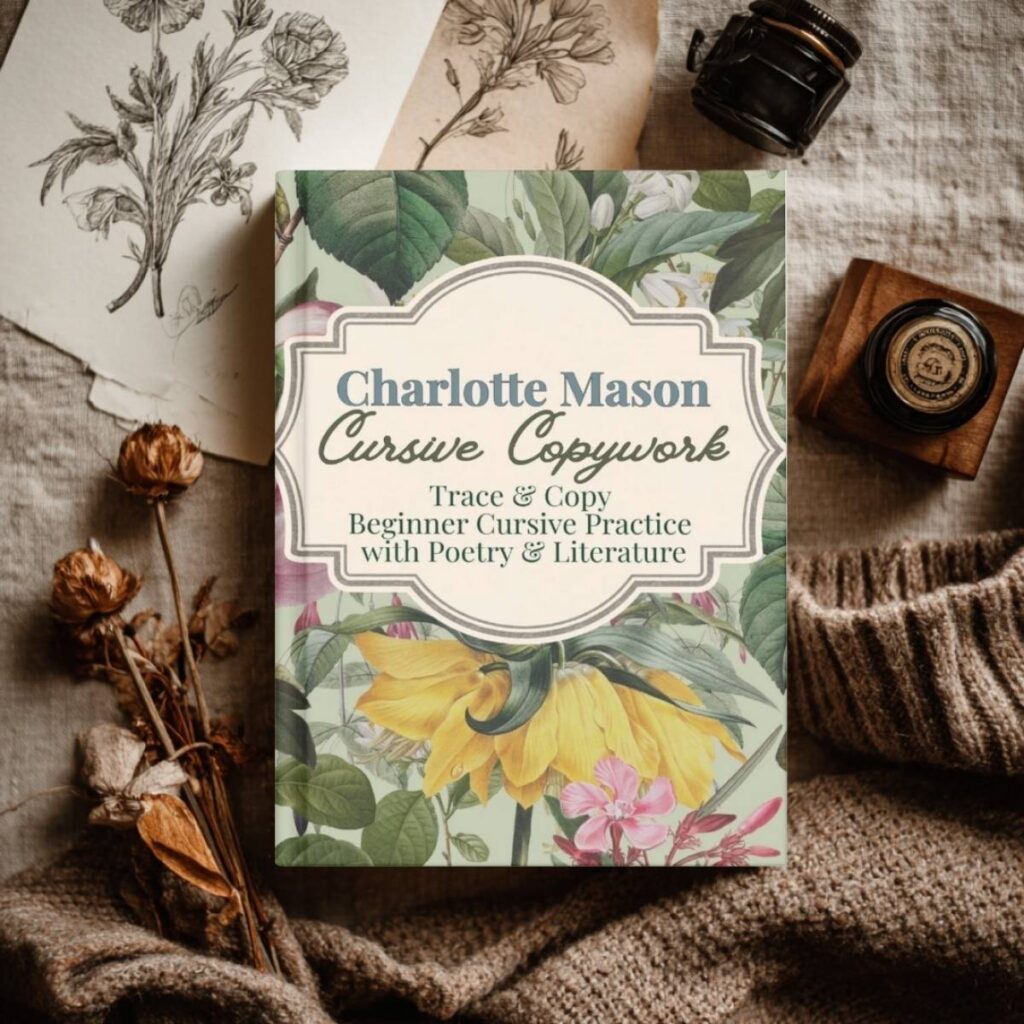
Related Article: How to Teach Cursive the Charlotte Mason Way
Over time, children not only develop fluent, legible cursive handwriting but also become familiar with great ideas, memorable passages, and rich vocabulary.
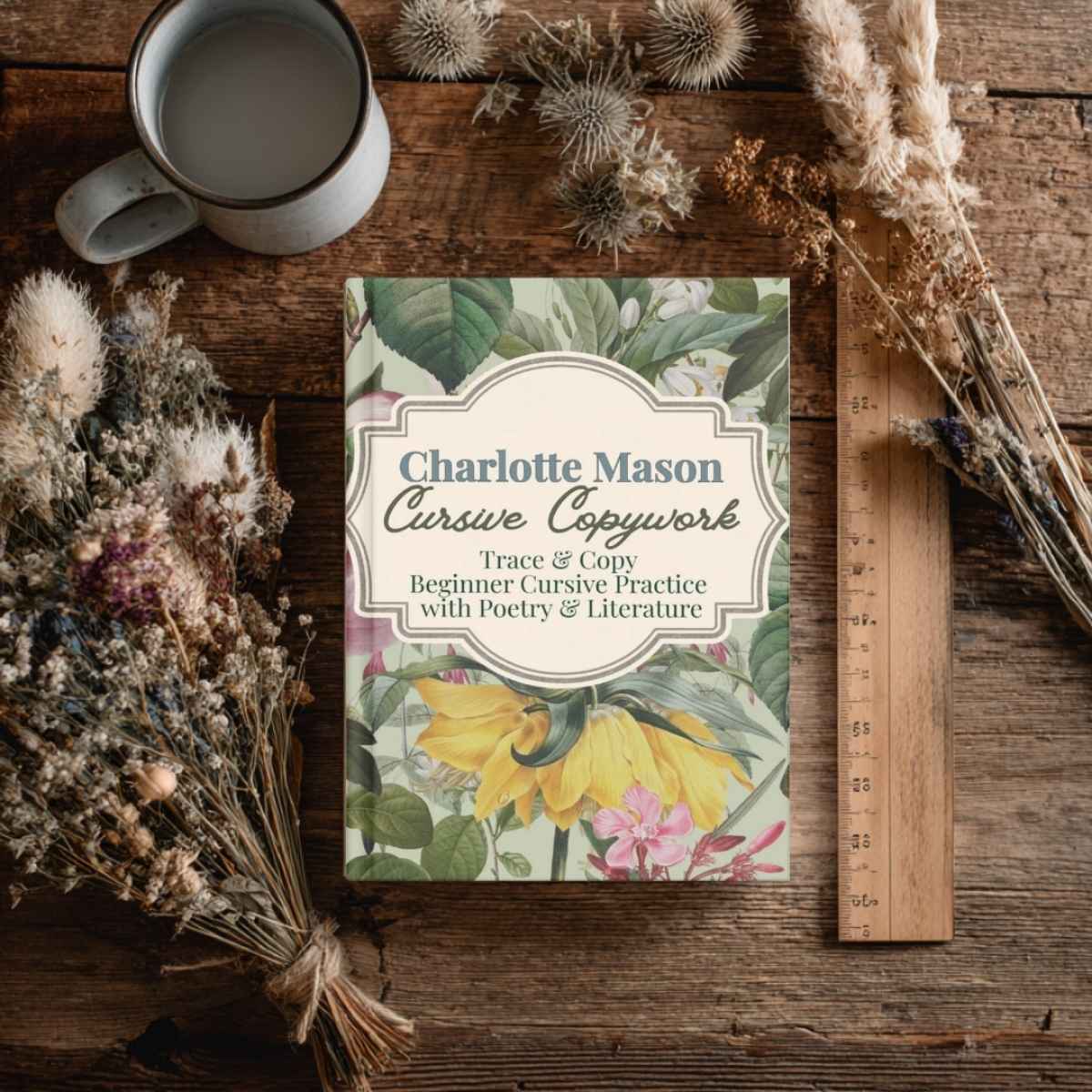
Cursive in a Classical Homeschool
Classical educators have long valued copywork because it reflects a broader philosophy of learning.
Before children are asked to analyze, critique, or compose their own original work, they are first immersed in excellent models. Just as an apprentice learns from a master craftsman, students learn by spending time with beautiful language and worthy ideas. Copying passages from the Bible and great books allows children to encounter the wisdom, eloquence, and literary craftsmanship of authors whose works have stood the test of time.
In this way, cursive copywork becomes more than handwriting practice; it is an introduction to the Great Conversation of Western civilization.
Final Thoughts
Most children are ready to begin learning cursive between the ages of 6 and 8, though some may start earlier or later.
Instead of focusing on a specific age, look for signs that your child has the fine motor skills, attention span, and confidence needed to succeed.
With short lessons, regular practice, and patience, cursive can become one of the most enjoyable parts of your homeschool day.