Cinnamon Queen Chicken (Everything You Need To Know)

The Cinnamon Queen is one of the most productive egg-laying chickens available to backyard chicken keepers. These friendly red sex-link hybrids are known for starting early, laying heavily, and producing an impressive 250–300 large brown eggs per year.
Despite being commonly referred to as a breed, the Cinnamon Queen is actually a hybrid chicken created by crossing specific parent breeds to maximize egg production. They are particularly popular with beginners, homesteaders, and anyone looking for a dependable supply of eggs without the feed demands of larger dual-purpose breeds.
Like most high-production hybrids, however, there is a trade-off. While Cinnamon Queens excel during their first few years, their egg production tends to decline more quickly than many traditional heritage breeds. Whether that trade-off is worthwhile depends entirely on your goals.
I’ve raised this breed on and off and I recommend them.
If you’re new to poultry, start with Taking Care of Chickens: Beginner’s Guide.
Save This Page
Cinnamon Queen Quick Facts
- Purpose: Egg production
- Breed Type: Hybrid (Red Sex-Link)
- Egg Production: 250–300 eggs per year
- Egg Color: Brown
- Egg Size: Large to Jumbo
- Mature Weight: 5–7 pounds
- Temperament: Friendly and docile
- Broodiness: Rare
- Cold Hardy: Yes
- Heat Tolerance: Moderate
- Free Range Ability: Good
- Starts Laying: 16–20 weeks
- Lifespan: 3–6 years
- Beginner Friendly: Excellent
Top Reasons To Choose The Cinnamon Queen For Your Flock
- Medium-sized, hardy, stocky bird
- Autosexing at hatching, meaning you won’t get a bunch of roosters in your order!
- Excellent egg producers, up to 300 large brown eggs annually
- Dual-purpose; they can technically be utilized for their meat (although this is not their best use)
- Resilient birds
- Friendly and docile
- A hybrid chicken with a fast growth rate
Breed Cons
- Egg production typically drops significantly after the first two to three years.
- They do not breed true, making them a poor choice for a self-sustaining breeding program.
- Rarely go broody, so they are unlikely to hatch their own chicks.
- Generally have shorter productive lifespans than many heritage breeds.
- Not an ideal meat bird despite often being marketed as dual-purpose.
- Quality can vary significantly between hatcheries.
Old laying hens do make the best bone broth, though, so there’s that. You can also use them to make Hungarian chicken paprikash or coq au vin, but with a hen. I generally just do bone broth.
For many backyard chicken keepers, these drawbacks are minor compared to the incredible number of eggs these birds produce. However, if your goal is long-term flock sustainability, you may prefer a heritage breed such as Orpingtons, Australorps, Bresse, or Plymouth Rocks.
See also my article on the best chicken egg layer breeds.
What Is A Cinnamon Queen Chicken?
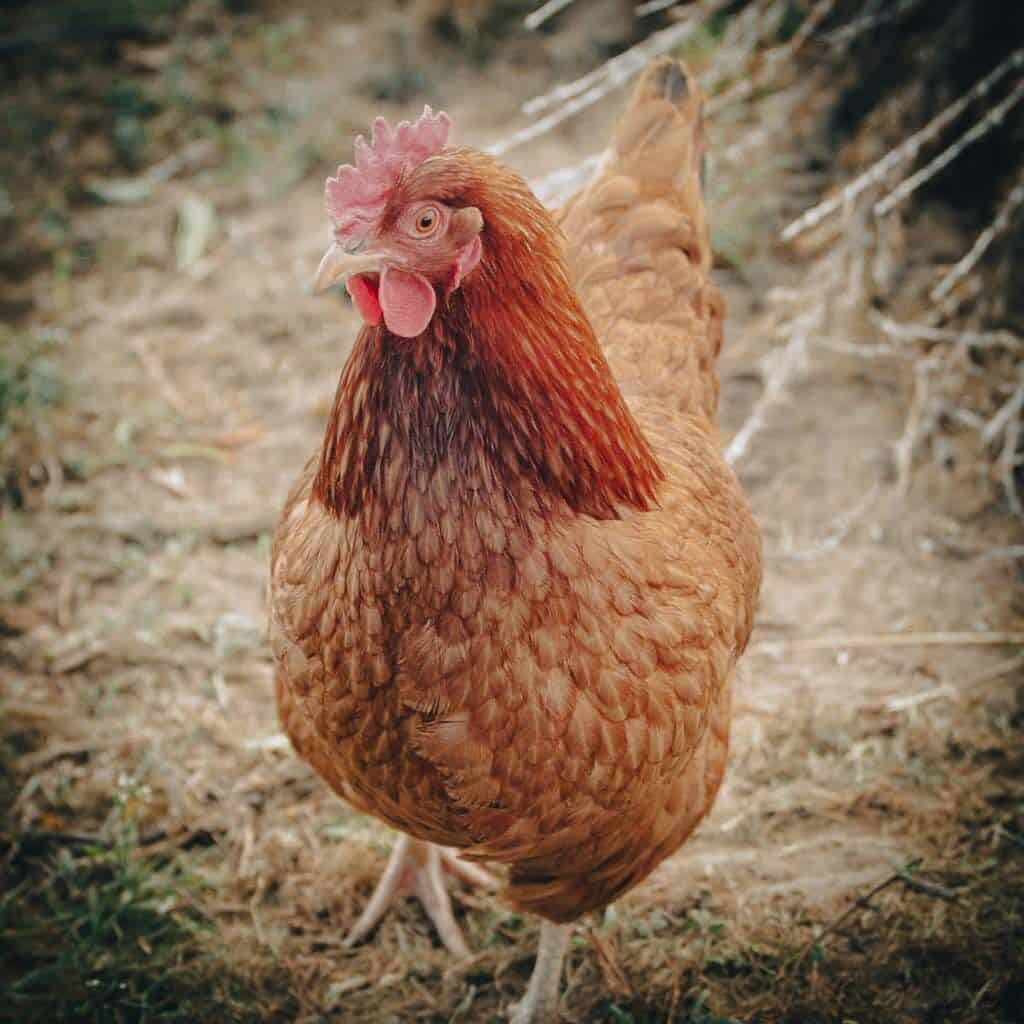
The Cinnamon Queen is a red sex-link hybrid developed specifically for egg production. They look like the quintissential generic red-brown chicken you have seen your whole life.
If you’re interested in more unusual or historically significant breeds, take a look at these rare and beautiful chicken breeds.
Most Cinnamon Queens are produced by crossing Rhode Island Reds with Rhode Island Whites or other carefully selected parent stock.
Because Cinnamon Queens are hybrids, they do not breed true. This means chicks hatched from Cinnamon Queen parents will not reliably inherit the same appearance, temperament, or laying ability.
Unlike heritage breeds such as the Orpington, Bresse, or Australorp, Cinnamon Queens are designed primarily for production rather than for long-term breeding programs.
For backyard flock owners, this is rarely a problem. For homesteaders focused on total self-sufficiency and breeding replacement stock, however, it can be a consideration.
Related Articles: 13 Rare & Beautiful Chicken Breeds
History & Origins
The Cinnamon Queen chicken originated in the United States pretty recently.
They are auto-sexing at hatching, which is one of their biggest advantages.
Female chicks are typically darker reddish-brown while males are much lighter in color, making identification far easier and safer than traditional vent sexing. This means that you can buy day-old chicks without any (or many) surprises. Anyone who has experienced the joy of buying day-old chicks for eggs, only to gradually discover half are male, can appreciate this feauture.
And if you end up with an extra rooster (it does sometimes happen), don’t be too quick to get rid of him. You can absolutely eat a rooster, and many people prefer the rich flavor for soups, stews, and stock.
Because they are hybrids, Cinnamon Queens are not recognized by the American Poultry Association and do not breed true. This places them in a very different category from established breeds such as the Ameraucana, Dominique, or Wyandotte.
The name “Cinnamon Queen” itself is largely a hatchery marketing term for a mutt. Other hatcheries may sell nearly identical birds under different names, including Golden Comets and other red sex-link varieties.
Personality & Temperament
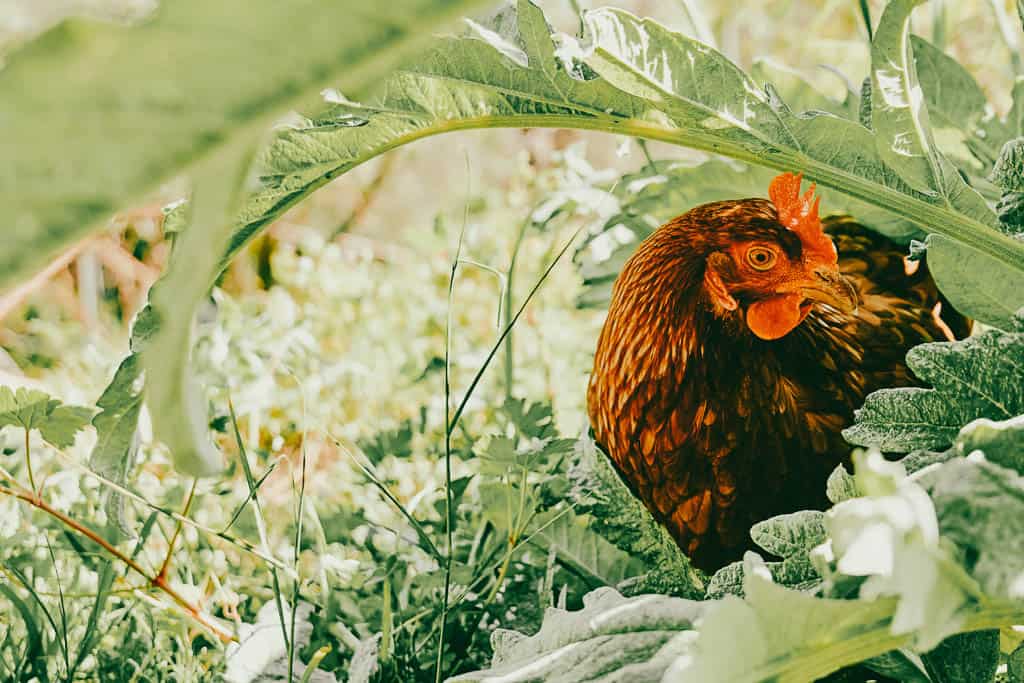
The Cinnamon Queen chicken is known for being friendly and docile, making them great with children. They tend to be calmer than many other breeds and are often among the first birds to greet you when you enter the run.
Many chickens enjoy roaming and foraging, and the Cinnamon Queen is no exception. These birds are naturally curious and enjoy spending time outdoors exploring their surroundings.
They tend to get along well with other chickens and generally integrate smoothly into mixed flocks. Their easy-going nature reminds me a lot of Buff Orpingtons, another breed known for its calm temperament and family-friendly personality.
Overall, they are happy, sweet birds that are easy to manage even for first-time chicken keepers.
While they enjoy free-ranging and foraging, they are generally less independent and savvy than some other breeds.
Overall, they are happy, sweet birds!
Read More: How To Free-Range Chickens (4 Methods)
Large Brown Eggs
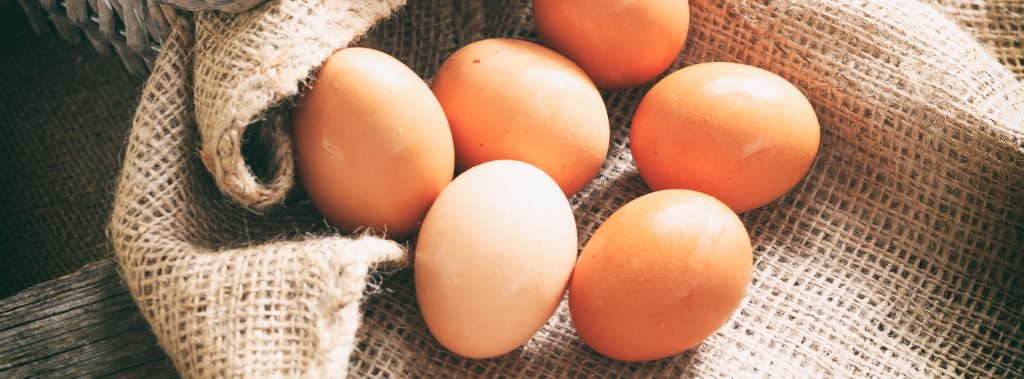
The Cinnamon Queen chicken is particularly prized for her egg production. She will give you 250-300 large brown eggs annually which is amongst the highest of any breed. They start egg laying earlier at about 4 months of age too.
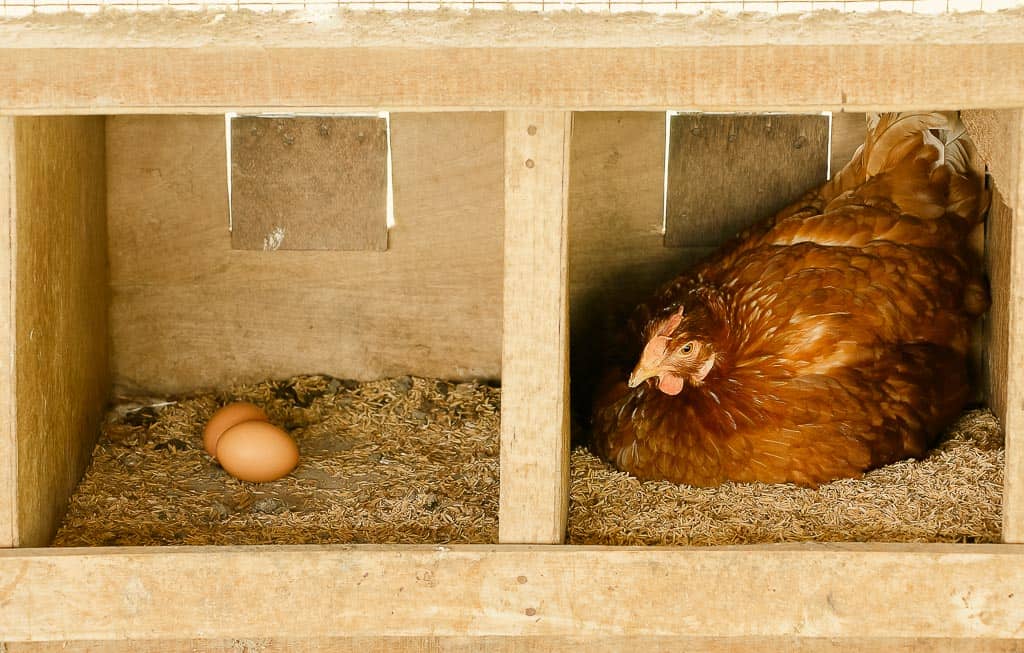
The Cinnamon Queen hen is not a broody breed. She will not sit on their eggs to
hatch them, as is common in high production breeds.
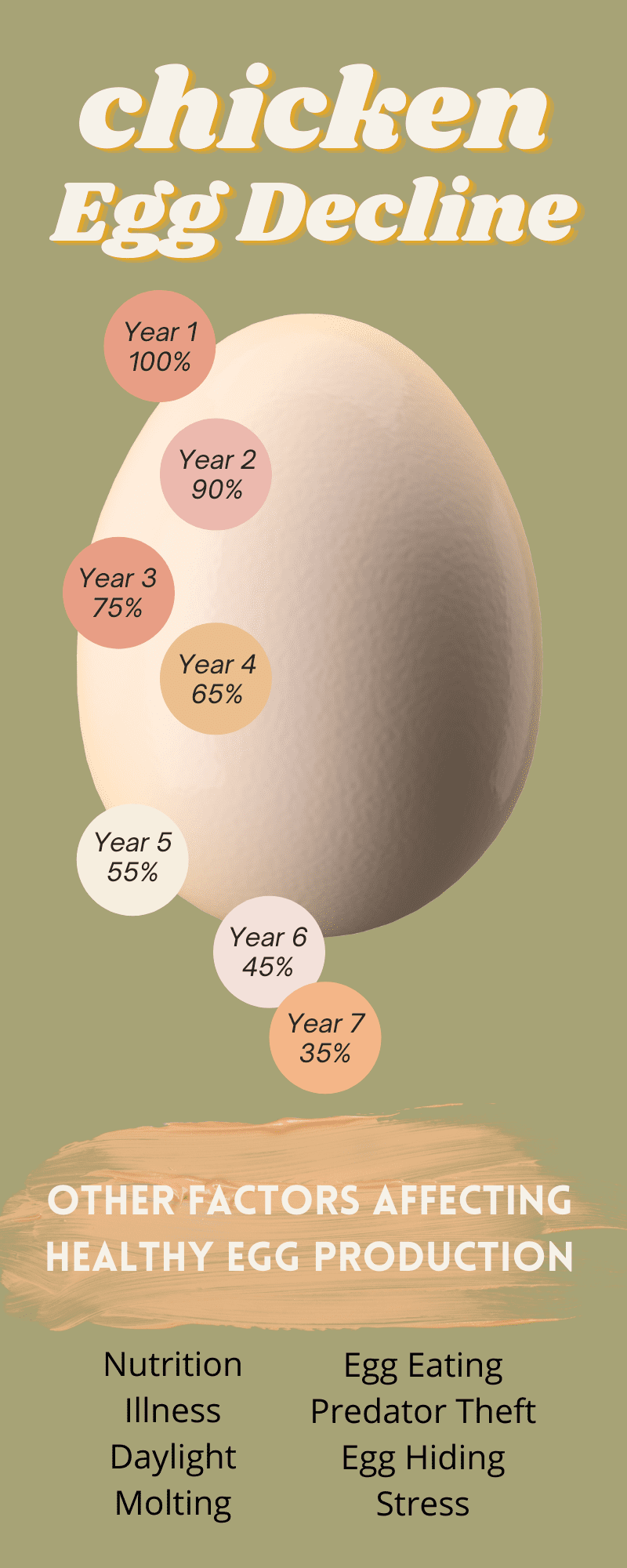
Most people that have raised this breed will attest that the egg production decline is rather steep.
You will be lucky to get a full three years out of her. If you want a small, light, commercial breed that lays blue eggs, and up to 300 annually, try the Azure Blue chicken, a favorite of mine.
See Also: 18 Best Egg-Laying Chickens: Which Breed Is Right For You?
Meat
Although technically classed as a dual-purpose breed, they are rarely utilized in this fashion.
That’s just more marketing.
Most high-production commercial hens are not great at being meat birds.
And that’s okay.
That does not mean they will not make great soup at the end of their laying cycle.
If you want a TRUE dual-purpose breed of chicken to raise for meat and eggs, look to heritage breeds like the Orpington, Bresse, Salmon Faverolles, Wyandotte, Dominique, Plymouth Rock, Australorp, Rhode Island Red.
Cold Hardy
Most chickens are quite cold hardy and this one is no exception.
As always, ensure your flock has a wind-proof and at least partially covered run or other areas to rest and escape the wind and cold in the winter.
And remember that humidity is the bigger issue, not really the cold so much. Humidity is what causes frost bite and chills which is why it’s important to winterize your chicken coop.
I highly recommend the deep litter system too to make your life easier and to keep your chickens healthier and more comfortable.
See Also:
Health
This is hit and miss. You’re likely getting this breed from a large hatchery, and although here is nothing wrong with that, the larger hatcheries are not always the procurers of the greatest or healthiest stock.
Watch out for some common chicken ailments like wry neck, sour crop, pasty butt, and others.
Most hatchery birds will come vaccinated against coccidiosis.
Final Thoughts
Today, the Cinnamon Queen chicken is a popular breed found in many parts of The United States and Canada.
They are a great choice for egg production but are also chosen for their friendly and docile nature. They are a medium breed of chicken and lay up to 300 eggs annually although that number will likely decline drastically by the three-year mark, as is common with production layer breeds. In terms of meat production, they are technically classed as dual-purpose but this is not my recommendation.
FAQ
Cinnamon Queens are known for maturing quickly and often begin laying between 16 and 20 weeks of age. This is earlier than many heritage breeds, making them a popular choice for anyone looking to maximize egg production as quickly as possible.
Pretty much. Both the Cinnamon Queen and the Golden Comet chicken are the result of a breed from a Rhode Island Red Rooster and a Rhode Island White Hen. They come from different genetics and bloodlines, but that’s literally it.
The ISA Brown can lay up to 350 eggs annually. So can the Australorp although they generally will only lay up to 280. That being said, it is an Australorp that holds the world record when one laid the most amount of eggs ever produced by a single bird back in the 1920s — a crazy 364 eggs in 365 days!
Most Cinnamon Queens are highly productive during their first two years of laying. Egg production typically begins to decline noticeably after that point, which is the tradeoff for their impressive early output.
All chickens molt but some molt harder than others. Your Cinnamon Queen chicken will molt, and when she does, she will stop laying eggs to focus on growing feathers. This is a good time to add more protein to her diet.
Although their peak laying years are relatively short, Cinnamon Queens often live between 5 and 8 years, with some birds living even longer when well cared for. Their productive lifespan and overall lifespan are not the same thing.
Cinnamon Queens can become broody, but it is relatively uncommon. They are bred primarily for egg production rather than maternal instincts, so they are generally less likely to sit on eggs.