23 Timeless Catholic Christmas Traditions

Our Catholic faith is deeply rooted in thousands of years of tradition, offering a wealth of meaningful practices that enrich our lives and deepen our relationship with God. These traditions are not just relics of the past—they are living, breathing parts of our faith that help us stay connected to Christ and His Church.
As Christians, we have countless opportunities to weave these sacred customs into our daily lives, transforming ordinary moments into acts of worship and love.
During the Christmas season, traditions take on an even greater significance. Far more than a time for exchanging presents, Christmas is about celebrating the birth of Jesus Christ, the greatest gift the world has ever known.
Through the liturgical calendar, family customs, and acts of charity, the Church gives us many ways to keep our focus on the true meaning of the season. By embracing these practices, we can draw closer to God and share the joy of Christ’s coming with those around us.
I’ll also share how you can incorporate these special traditions into your life and home and share them with your children.
Advent
Save This Page
Advent is a sacred season of the liturgical year, spanning the four Sundays before Christmas. It is a time of spiritual preparation for the coming of Christ, both in His Nativity and at the end of time. The word “Advent” comes from the Latin adventus, meaning “coming” or “arrival.”
During these weeks, the Church invites the faithful to reflect on the themes of hope, peace, joy, and love as they anticipate the celebration of Christ’s birth. Advent also has a penitential aspect, calling Catholics to prayer, fasting, and repentance, much like Lent, to prepare their hearts for the Lord.
The liturgical color of Advent is purple, symbolizing both penance and royalty. The third Sunday, Gaudete Sunday, shifts to rose, reflecting the joy of the nearing Nativity. This dual focus of joyful anticipation and solemn preparation helps Catholics grow closer to God and align their lives more fully with His will.
The Advent Wreath

The Advent wreath is a profound symbol of the season, rich in meaning and tradition. Its circular shape, made of evergreen branches, represents God’s eternal love and the everlasting life brought through Christ. The four candles, placed around the wreath, are lit one by one on each Sunday of Advent, illuminating the growing anticipation of the coming of Jesus, the Light of the World. Three of the candles are purple, symbolizing penance, preparation, and royalty, while the pink candle, lit on Gaudete Sunday, reflects the joy of the approaching Nativity.
The tradition of the Advent wreath originates in pre-Christian Germany, where people used evergreen branches and light to symbolize hope in the darkest days of winter. This practice was adapted by Christians to represent the hope and light brought by Christ, transforming it into a central devotional element of Advent. As the candles are lit each week, families are invited to reflect on the themes of hope, peace, joy, and love, drawing closer to the mystery of Christ’s Incarnation.
Incorporating it at Home:
Place an Advent wreath in a prominent spot in your home, such as the dining table or a prayer corner.
Each Sunday of Advent, gather as a family to light the appropriate candle and pray together. Consider reading a passage from Scripture. For young children, explain the meaning of the candles and involve them in the ritual by allowing them to help light the candles.
The Digital Meal Planning Tool I Wish I Had When I First Became A Wife And Mother
I am creating a meal planning tool for homemakers who are done with last minute dinners and expensive convenience food. If you want a simple and affordable way to feed your family real meals every night, join the waitlist and you will be the first to try it when it launches.
Advent Calendar

The Advent calendar is a beloved tradition that helps mark the days leading up to Christmas, offering a tangible way to reflect on the anticipation of Christ’s birth. Traditionally, Advent calendars feature small doors or windows that are opened daily, each revealing a Scripture passage, prayer, or symbol tied to the season. This practice connects the faithful to the rhythm of Advent and serves as a daily reminder of the spiritual journey toward the Nativity.
Advent calendars have their roots in 19th-century German traditions, where families used chalk to mark the days on a wall or door. Over time, the practice evolved into printed calendars with devotional content. Today, Advent calendars come in many forms, but their purpose remains the same: to keep Christ at the center of the season, transforming the days leading to Christmas into moments of reflection and prayer.
Incorporating it at Home:
Buy or make an Advent calendar that reflects the season’s sacred nature.
Many calendars include Scripture readings or small activities that families can do together, such as acts of kindness or moments of prayer. Place the calendar in a visible spot, and make it a daily ritual to open each window or complete each activity as a family.
For younger children, explain how each day’s reflection or action helps prepare their hearts for Jesus. A homemade calendar with handwritten Bible verses or prayer intentions can add a personal touch, making the tradition even more meaningful. This daily practice serves as a beautiful way to slow down and focus on the spiritual meaning of Advent amid the busyness of the season.
Feast of St. Nicholas (December 6th)
Celebrate the real Santa this year!
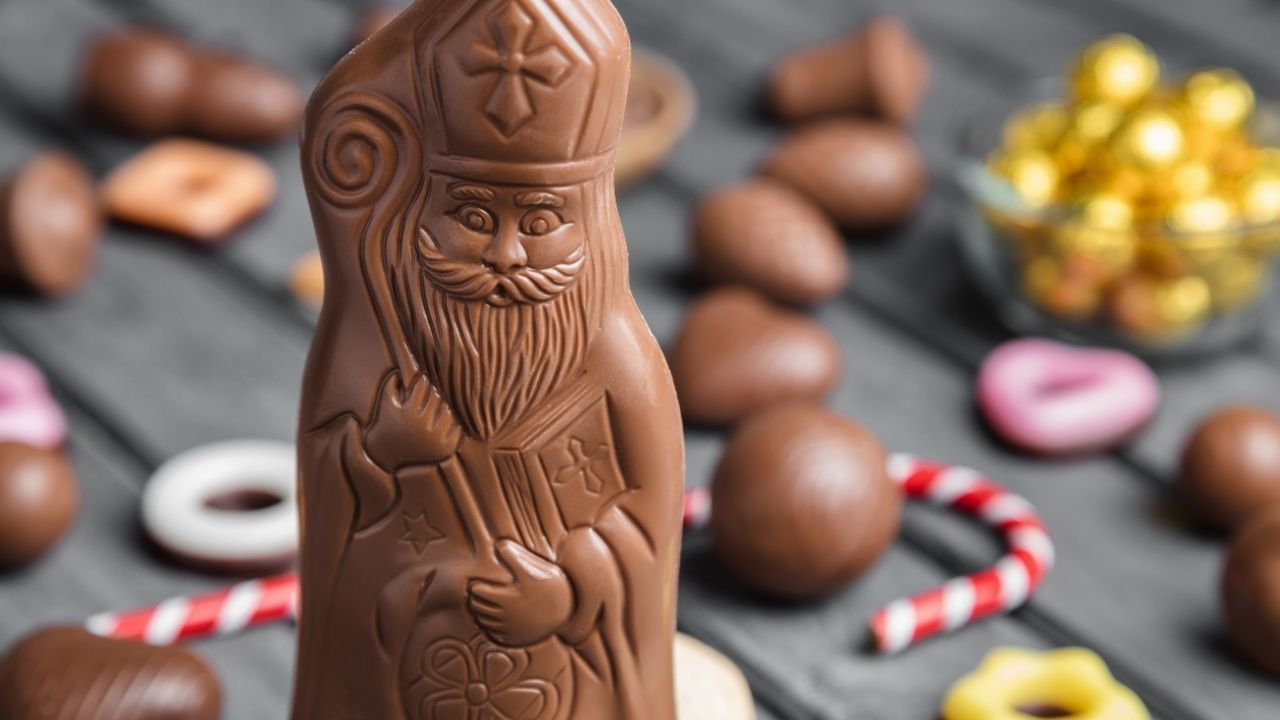
The Feast of St. Nicholas honors the beloved fourth-century bishop of Myra, known for his generosity, humility, and deep care for the poor and vulnerable. St. Nicholas became the inspiration for Santa Claus, but his life and example reflect far more than gift-giving. He devoted himself to Christ and was renowned for his acts of charity, particularly his secretive generosity to those in need.
His feast day celebrates this Christ-like spirit of giving and selflessness.
One of the most famous stories about St. Nicholas recounts how he secretly provided dowries for three impoverished young women, saving them from slavery. Under the cover of night, he tossed bags of gold through their window, which landed in their shoes or stockings. This act of anonymous charity is the origin of the tradition of filling shoes with treats or small gifts on his feast day.
Incorporating it at Home:
On the evening of December 5th, have your children place their shoes or boots by the door or fireplace. After the kids have gone to bed, fill them with small treats like chocolate coins, oranges, or little notes to be found the following day, reminding them of St. Nicholas’s example of generosity.
Share stories about his life, emphasizing the importance of giving, not just receiving. This is also a wonderful day to practice charity as a family, whether by donating toys, food, or clothing to those in need or performing acts of kindness within your community.
Attending Mass together and praying for the poor and vulnerable honors the spirit of this great saint. The Feast of St. Nicholas provides a meaningful opportunity to teach children that the joy of giving comes from sharing God’s love with others.
Yes, it’s hard. You’re not alone.
Join My FREE 7-Day Homemaking Essentials Email Course & Grab my Meal Plan with 50+ recipes
Solemnity of the Immaculate Conception (December 8th)
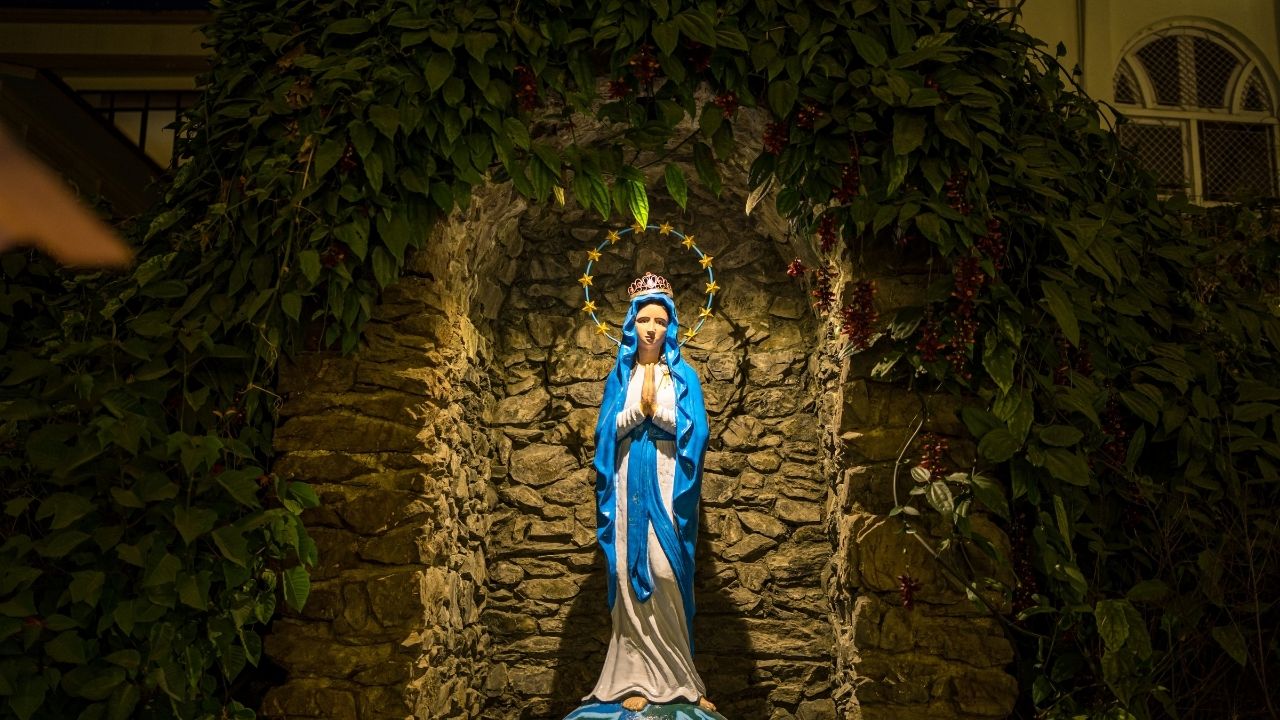
Many people confuse the term “immaculate conception” to mean the conception of Jesus Christ by Mary, but it refers to Mary herself being conceived without original sin.
The Solemnity of the Immaculate Conception celebrates Mary, who was preserved from original sin from the moment of her conception through a singular grace from God. This special privilege was granted in anticipation of her role as the Mother of Jesus Christ. The Immaculate Conception highlights Mary’s unique purity and complete openness to God’s will, making her the perfect vessel to bear the Savior.
This feast is deeply rooted in Scripture and Tradition, emphasizing Mary’s unique role in salvation history. As the “New Eve,” she stands as a model of obedience, humility, and faith. This day also serves as a reminder of the transformative power of God’s grace and Mary’s unwavering cooperation with it.
Incorporating it at Home:
Begin the day by attending Mass together as a family, as this is a Holy Day of Obligation.
Spend time reflecting on Mary’s “yes” to God and her role in the Incarnation. Praying the Rosary is a meaningful way to honor Mary, focusing on the Joyful Mysteries, which highlight her journey from the Annunciation to the Nativity.
Consider setting up a special Marian shrine in your home with an image or statue of the Immaculate Conception, surrounded by candles or flowers. You might also discuss Mary’s example of holiness and how her life encourages us to seek God’s grace in our own.
For children, we keep the explanation simple: Mary was chosen by God to be Jesus’ mother, and He kept her free from sin so she could fulfill this role perfectly.
Feast of Our Lady of Guadalupe (December 12th)
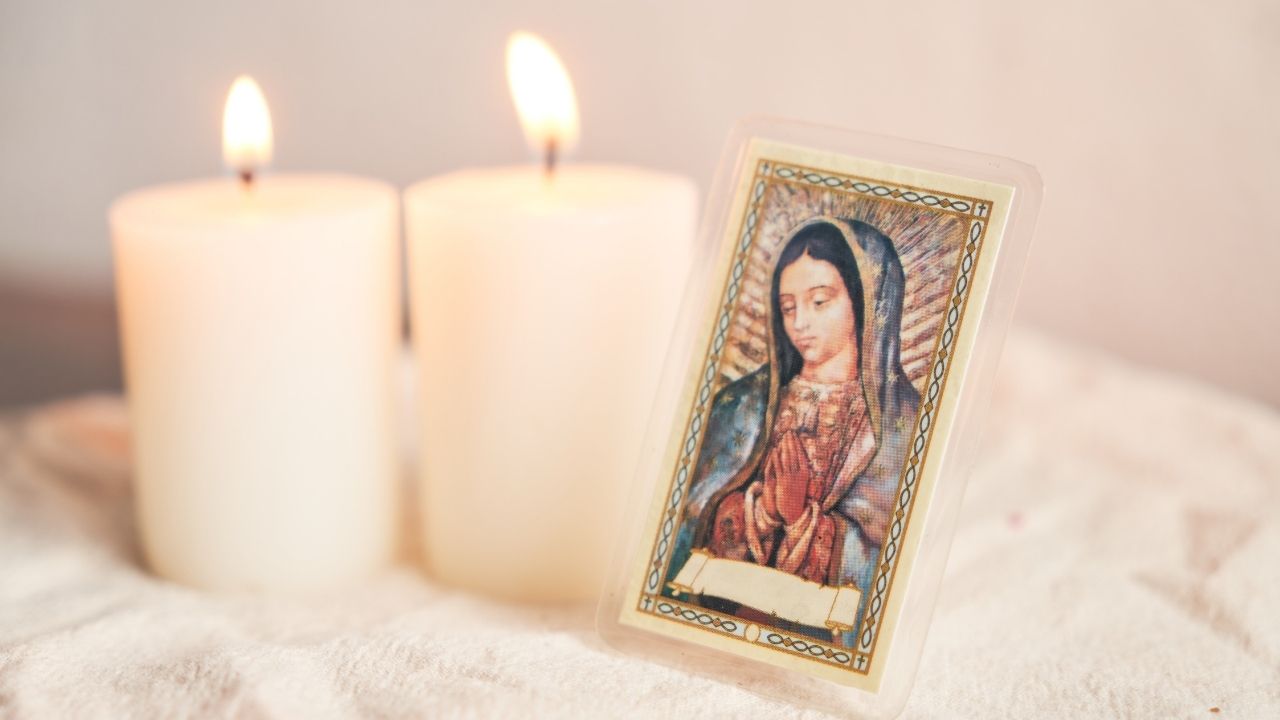
The Feast of Our Lady of Guadalupe celebrates Mary’s appearance to St. Juan Diego in 1531 on Tepeyac Hill in Mexico. She appeared as a humble yet radiant woman, speaking to him in his native Nahuatl language, and left her miraculous image on his tilma as a sign of her love and protection. This image, now enshrined in the Basilica of Our Lady of Guadalupe, is one of the most venerated symbols in the Catholic Church, and Our Lady of Guadalupe is honored as the Patroness of the Americas.
Mary’s message to St. Juan Diego was one of hope and encouragement, especially for the poor and marginalized. She asked for a chapel to be built where her children could come to her, and she promised to hear their prayers and provide comfort. Her tender words, “Am I not here, I who am your mother?” remind us of her constant care and intercession.
Incorporating it at Home:
Display an image of Our Lady of Guadalupe in your home and gather your family to pray the Rosary, asking for her intercession. You might light candles or place flowers, particularly roses, before her image as a sign of devotion.
This is also a wonderful day to reflect on Mary’s message of love and care for the vulnerable. Consider preparing a meal inspired by Mexican traditions, such as tamales or pozole, and talk about how her appearance to St. Juan Diego brought hope to so many. If possible, attend a special Mass or procession in her honor.
For children, we tell them the story of Juan Diego and the miraculous roses, emphasizing how Mary always draws us closer to Jesus.
Feast of St. Lucy (December 13th)

The Feast of St. Lucy honors a young Christian martyr from the early 4th century whose name means “light.” St. Lucy remained steadfast in her faith during a time of persecution, choosing to dedicate her life to Christ rather than marry and renounce her beliefs. Her name and story are associated with light, as she brought the light of Christ to others through her courage and faith.
In many cultures, her feast day is marked by processions and candlelit celebrations, particularly in Scandinavian countries where the long, dark winters make her connection to light especially significant.
St. Lucy’s story reminds us of the call to be light-bearers in a dark world, just as she was. Her witness inspires us to live with unwavering faith and to share Christ’s light through acts of love and kindness.
Incorporating it at Home:
Honor St. Lucy by lighting candles during meals or prayers on her feast day. For a special tradition, children might dress in white garments, symbolizing purity, with one child wearing a wreath of (battery-operated) candles to represent St. Lucy’s light. This honor is traditionally reserved for the eldest daughter of the family.
In keeping with cultural traditions, serve a festive breakfast of saffron buns or another sweet bread to start the day.
Vespers of the Liturgy of the Hours (December 17–23)

The Liturgy of the Hours, also known as the Divine Office, is the Church’s daily prayer, marking the hours of the day with psalms, Scripture readings, and prayers. Vespers, the evening prayer, takes on special significance during the final week of Advent. This period, December 17–23, intensifies the Church’s preparation for Christ’s birth and includes the recitation of the O Antiphons, ancient titles of Christ drawn from Scripture that express the longing for the Messiah.
Each evening during this week, the O Antiphons are sung or prayed before the Magnificat in Vespers. These titles—such as “O Wisdom,” “O Root of Jesse,” and “O Emmanuel”—reveal the richness of Christ’s identity and the fulfillment of the Old Testament prophecies. This is a sacred time to reflect on the nearness of Christ’s coming and to join the universal Church in prayerful anticipation.
Incorporating it at Home:
Set aside time each evening during this week to pray as a family, either using the full Vespers from the Liturgy of the Hours or a simplified version. Light candles and read the day’s O Antiphon, discussing its meaning and how it points to Christ. This can be a beautiful way to end each day, creating a moment of stillness and reflection amid the busyness of the season.
For children, explain the titles of Christ in simple terms, connecting them to familiar parts of the Nativity story. Incorporating hymns, such as “O Come, O Come, Emmanuel,” can deepen the experience and help draw everyone into the rhythm of the Church’s prayer.
O Antiphons (December 17–23)
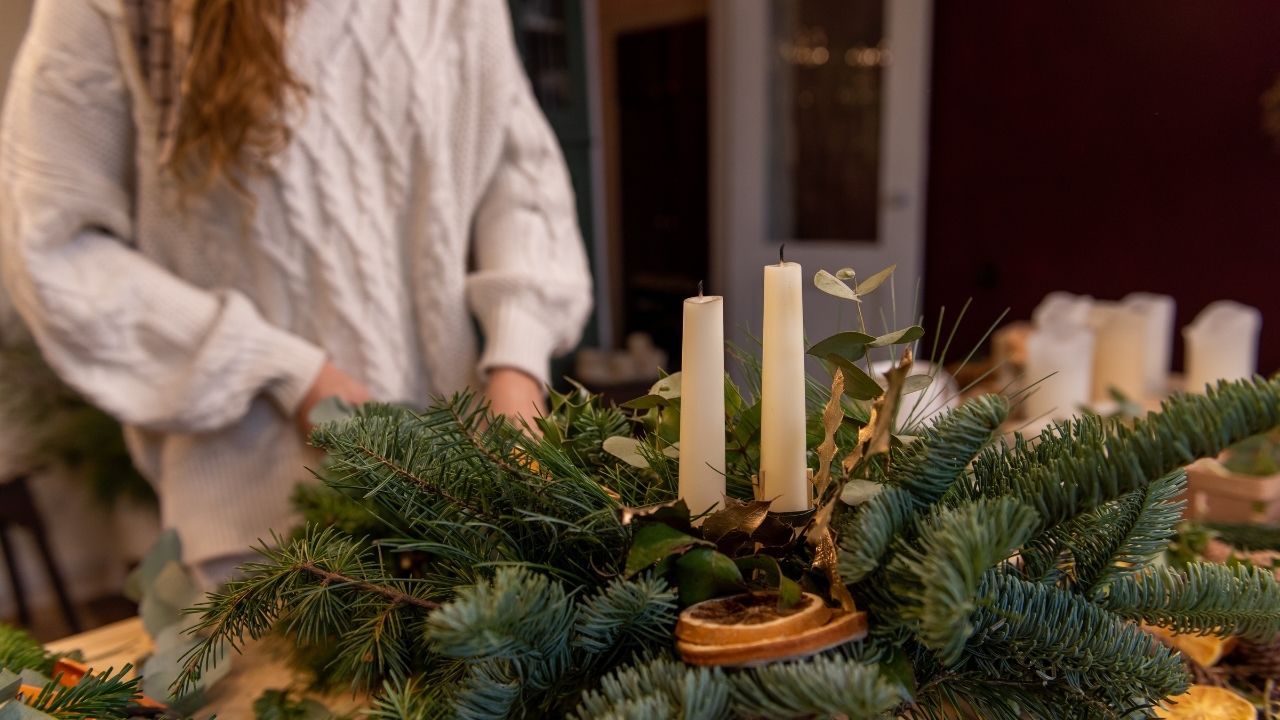
The O Antiphons are an ancient and poetic part of the Church’s liturgical tradition, recited or sung during Vespers from December 17th to 23rd. Each antiphon addresses Christ by a different biblical title and highlights one of His attributes as the Messiah foretold in the Old Testament. Titles like “O Wisdom,” “O Key of David,” and “O Emmanuel” express the longing of God’s people for the Savior and reveal the richness of His identity.
Each antiphon begins with “O” and follows with a phrase drawn from Scripture, such as “O Root of Jesse” or “O Radiant Dawn,” emphasizing both Christ’s divine majesty and His closeness to humanity. The O Antiphons culminate in “O Emmanuel,” meaning “God with us,” as Christmas approaches, and they are most familiar to many as the verses of the hymn “O Come, O Come, Emmanuel.”
Incorporating it at Home:
Each evening from December 17th to 23rd, gather as a family to pray or sing the O Antiphons. Light candles or an Advent wreath to create a prayerful atmosphere. Read the day’s antiphon aloud, followed by a Scripture passage that reflects its theme, such as Isaiah’s prophecies or parts of the Gospel. Discuss the meaning of each title of Christ and how it points to His role as Savior.
Midnight Mass

Midnight Mass on Christmas Eve is one of the most sacred and cherished traditions of Christmas. It marks the moment of Christ’s birth, celebrated with profound joy and reverence. Attending Mass at midnight reflects the shepherds’ journey to the manger, as they were among the first to hear the angels’ announcement of the Savior’s birth and came to adore Him in the stillness of the night. The readings, prayers, and hymns during this liturgy emphasize the wonder and mystery of the Incarnation, drawing the faithful into the awe of the Nativity.
The tradition of Midnight Mass dates back to the early Church and continues to hold a special place in Catholic life. It allows families to begin Christmas Day in the most meaningful way.
Not all churches will offer Midnight Mass on Christmas Eve actually at Midnight, so if you want to experience it just as it always has been, look for ones that do. And make sure you arrive early because the Church will be absolutely packed and standing room only if you take your time.
The 12 Days of Christmas
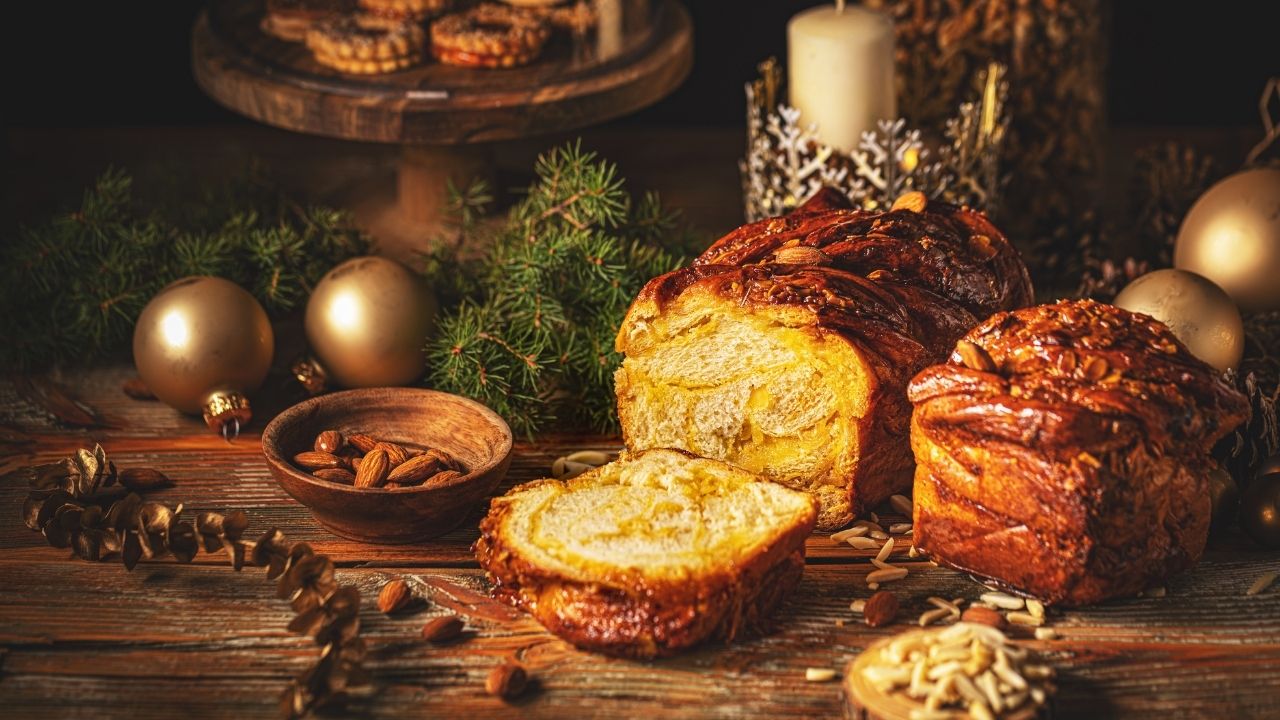
The 12 Days of Christmas begin on December 25th and continue until the Feast of the Epiphany on January 6th. These days are a time of joyous celebration, extending the festivities of Christ’s birth beyond a single day. While the world often moves on from Christmas after December 25th, the Church invites the faithful to fully embrace the Christmas season during these 12 days, reflecting on the mystery of the Incarnation and Christ’s presence among us.
Each day within this period has its own significance in the Church’s calendar, with feasts dedicated to saints such as St. Stephen (December 26th), St. John the Evangelist (December 27th), and the Holy Innocents (December 28th). The 12 days are an opportunity to live out the joy of the season in a sustained way, focusing on prayer, family, and acts of charity.
Incorporating it at Home:
Keep your Christmas decorations up throughout the entire 12 days, letting your home reflect the ongoing celebration. Dedicate each day to a special activity that draws your family closer to Christ, such as reading about the saints commemorated during this time or sharing a family meal with a prayer of thanksgiving.
For children, this is a great opportunity to emphasize the joy of giving by involving them in charitable acts, such as delivering food or gifts to those in need. On the Feast of the Epiphany, you might bless your home with chalk, marking the doors with the initials of the Magi (C+M+B) and the year, asking for God’s blessings in the year ahead.
The Christmas Tree

The Christmas tree is one of the most traditional symbols of the season, its evergreen branches representing the eternal life we receive through Christ. The practice of using trees during Christmas has deep roots in Christian tradition, evolving from medieval plays that featured a “paradise tree” to celebrate the story of creation and redemption. Over time, the tree became associated with the birth of Christ, often adorned with lights and ornaments that reflect His light and the joy of His coming.
The lights on the tree symbolize Christ as the Light of the World, dispelling the darkness of sin. Ornaments and decorations often carry personal and spiritual significance, telling the story of family traditions and faith. The star or angel placed on top of the tree reminds us of the star of Bethlehem and the angels who announced Christ’s birth.
Christmas Greenery and Plants

Christmas greenery—mistletoe, holly, ivy, laurel, and poinsettias—has long been part of the Church’s celebration of Christ’s birth. Each plant carries rich symbolism tied to the faith. Evergreen branches represent eternal life, while holly, with its sharp leaves and red berries, recalls Christ’s Passion and the shedding of His blood for humanity. Ivy symbolizes fidelity and strength, clinging steadfastly as we are called to cling to God. Laurel, a sign of victory, reminds us of Christ’s triumph over sin and death. The poinsettia, with its bright red leaves, is often referred to as the “Christmas flower,” symbolizing the Star of Bethlehem and Christ’s presence.
These plants also reflect the beauty and abundance of God’s creation, connecting the Nativity to the natural world. Their use in homes and churches during Christmas reminds us that all creation rejoices in the Savior’s birth.
The Christmas Crèche (Nativity Scene)

The Nativity scene, or Christmas crèche, is one of the most beloved traditions of the season. Popularized by St. Francis of Assisi in the 13th century, it serves as a visual representation of the birth of Christ, bringing the story of the Nativity to life. St. Francis introduced the first live Nativity to inspire devotion and help people meditate on the humility and love of the Holy Family. Today, Nativity scenes typically include Mary, Joseph, the Christ Child, shepherds, angels, animals, and, often, the Magi.
The Nativity reminds us of the humility of Christ’s birth in a stable and the universal call to adore Him, from shepherds to kings. Each figure in the scene invites reflection on their role in the story of salvation: Mary’s fiat, Joseph’s steadfast care, the angels’ joyful announcement, and the shepherds’ and Magi’s eager response to God’s call.
Incorporating it at Home:
Set up a Nativity scene in a prominent place in your home, such as near your Christmas tree or on a mantle. Begin with just Mary, Joseph, and the animals, waiting to place the Christ Child in the manger on Christmas Eve. The Magi can be added on the Epiphany, reflecting their journey to find the newborn King.
We like to place the Magi in different areas of the house leading up to Epiphany and move them closer to the nativity each day. The children look for them and their new location daily.
Festive Christmas Candles Lit in Windows
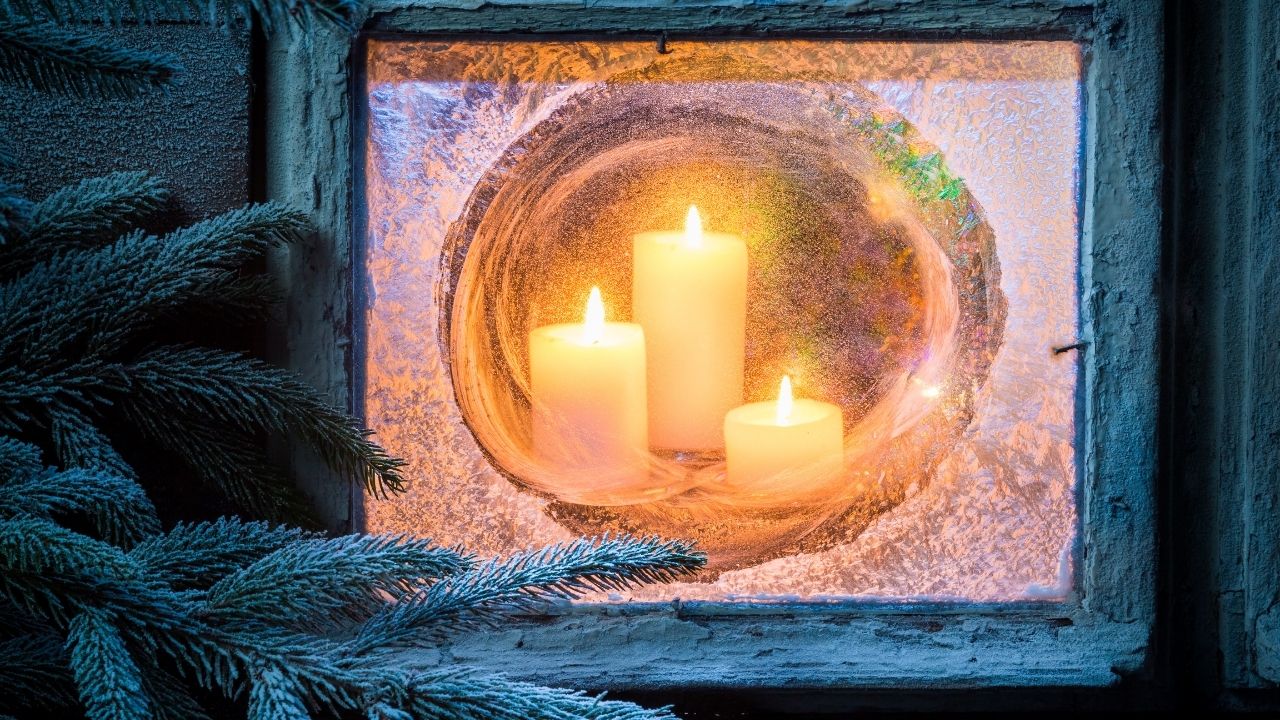
The tradition of placing candles in windows during Christmas dates back centuries and carries rich symbolism. In Catholic homes, the candles represent a visible sign of welcoming Christ into the world and into our lives. Historically, during times of persecution, candles in windows often signaled safe havens for priests to say Mass or a home where the faithful gathered to worship. Today, the glow of a candle in the window serves as a reminder that Christ is the Light of the World, dispelling the darkness of sin.
The soft, warm light of the candles also reflects the joy and peace of the Christmas season, inviting passersby to reflect on the deeper meaning of the holiday. This simple act can transform a home into a beacon of faith and hope, reminding all who see it of the presence of Christ.
Incorporating it at Home: Place candles in your windows during the Christmas season, either real candles with safety precautions or battery-operated ones for a worry-free glow. Before lighting the candles each evening, gather as a family to pray or reflect on Christ’s presence as the Light of the World. Explain to children that these candles symbolize the light of faith in your home and a welcome to Christ. Consider using the candles as part of a family prayer tradition, such as reciting a decade of the Rosary or reading a passage from Scripture by their glow. This simple yet meaningful act transforms your home into a visible sign of your faith.
Jesse Tree

The Jesse Tree is a beautiful Advent tradition that traces the lineage of Jesus Christ and recounts the key stories of salvation history. The name comes from Isaiah 11:1, which proclaims, “A shoot shall come out of the stump of Jesse,” referring to the ancestry of Jesus through King David, Jesse’s son.
Each day of Advent, an ornament is added to the tree, symbolizing a person, event, or prophecy that leads to the coming of Christ.
This tradition provides a tangible way to connect the Old Testament with the fulfillment of God’s promises in the New Testament. The Jesse Tree reflects the unfolding of God’s plan of salvation, culminating in the birth of Jesus. It helps families focus on the deep roots of their faith which go back many thousands of years.
Incorporating it at Home:
Set up a Jesse Tree in your home, using a small tree, bare branches, or even a poster board. Each day, add an ornament that represents a specific figure or event from salvation history, such as Adam and Eve, Noah, Moses, or David.
Many families pair this tradition with Scripture readings that correspond to the ornament, providing an opportunity to reflect on God’s faithfulness throughout history.
Involve children by letting them color or craft the ornaments and explain the significance of each symbol.
Special Christmas Baking

Baking during the Christmas season is a cherished tradition that combines family, faith, and celebration. In Catholic homes, many traditional recipes have symbolic meanings tied to the Nativity and the life of Christ. For example, braided breads can symbolize the Holy Trinity, while star-shaped cookies remind us of the Star of Bethlehem. The act of baking becomes a way to reflect on the joy of the Incarnation and share that joy with others.
Baking also offers an opportunity to practice generosity, a key virtue during the Christmas season. Sharing homemade treats with neighbors, friends, or those in need echoes the spirit of giving that Christ’s birth inspires.
Incorporating it at Home:
Choose a few recipes that have special significance to your family or faith.
Christmas Carols and Songs
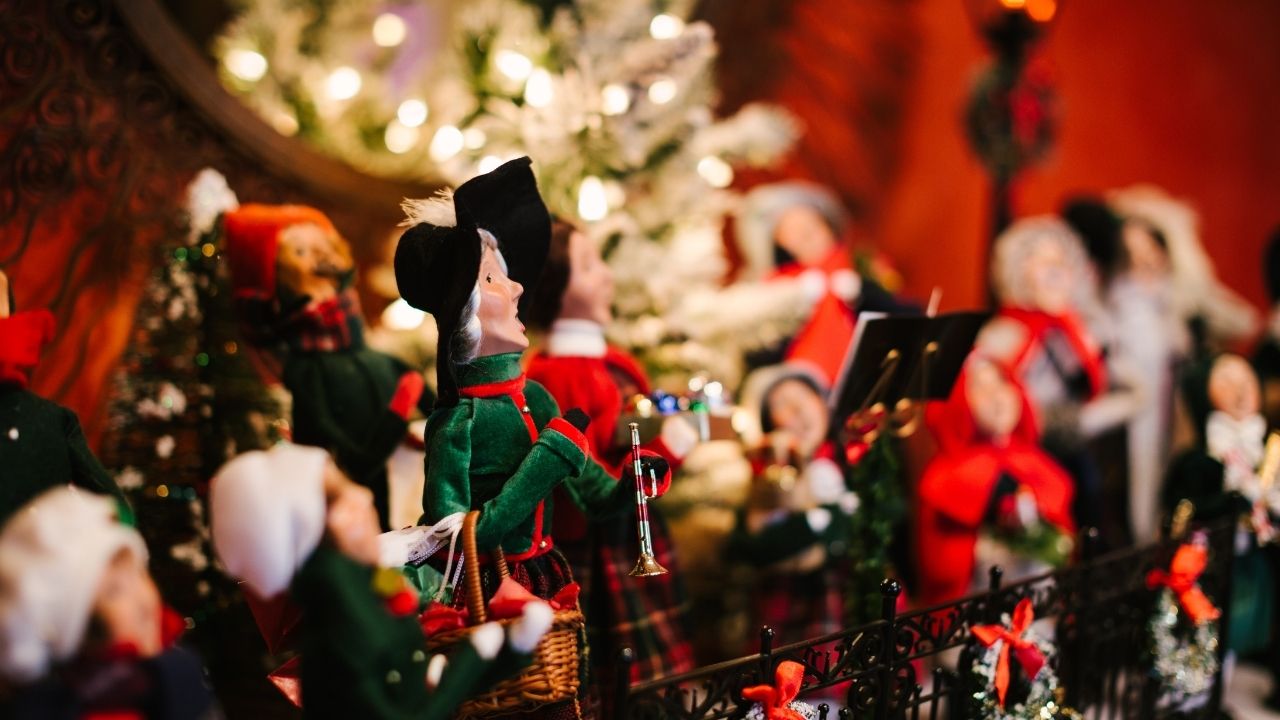
Christmas carols and songs are a joyful expression of the season, combining music and faith to celebrate the birth of Christ. Many traditional carols, such as “O Holy Night,” “Silent Night,” and “Hark! The Herald Angels Sing,” are deeply rooted in Scripture and reflect the mystery and wonder of the Nativity. Singing or listening to these hymns allows families to connect with the joy of the angels and the awe of the shepherds who came to worship the newborn King.
Caroling has long been a way to share the Good News of Christ’s birth with others, bringing the message of hope and salvation to friends, neighbors, and communities. Through music, families are reminded of the beauty and significance of God’s gift to humanity.
Incorporating it at Home:
We play Christmas music all throughout December. Look for local Christmas concerts, plays, and other events where you can experience the beauty of the music too.
Feast of the Holy Family

The Feast of the Holy Family, celebrated on the Sunday between Christmas and New Year’s, honors Jesus, Mary, and Joseph as the model for all Christian families. This feast highlights the virtues lived by the Holy Family—faith, humility, love, and obedience to God’s will. It reminds families to emulate their example by placing Christ at the center of their lives and striving for holiness in their daily actions.
The Holy Family faced many challenges, from the journey to Bethlehem to the flight into Egypt, yet their faith and trust in God never wavered. This feast encourages families to reflect on their own unity, resilience, and dedication to following God’s plan, regardless of life’s difficulties.
Incorporating it at Home:
Celebrate this feast by attending Mass as a family, offering your prayers for one another and for the grace to imitate the virtues of the Holy Family. At home, consider setting aside time to read and discuss the Gospel passage for the day, which often reflects on Jesus’ early life. Share a special dinner together and use it as an opportunity to talk about ways your family can grow in love, faith, and service.
Solemnity of Mary, Mother of God (January 1st)
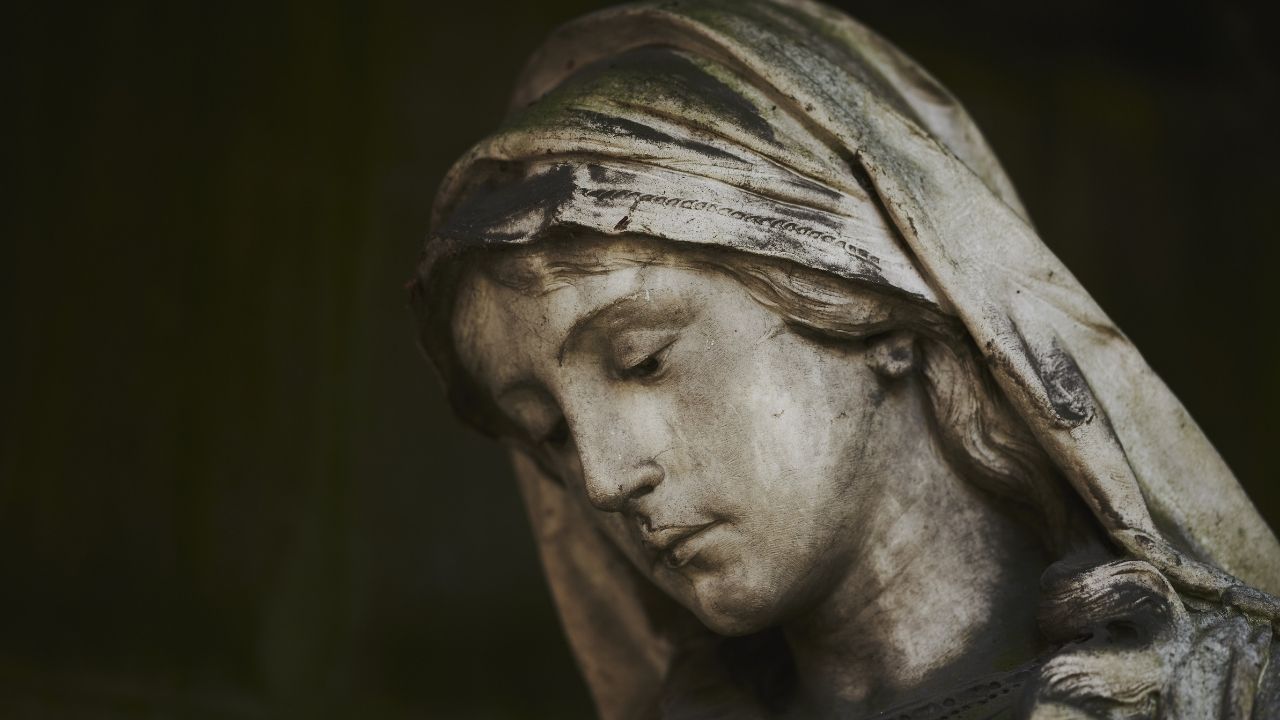
The Solemnity of Mary, Mother of God, celebrated on January 1st, is one of the oldest and most significant Marian feasts in the Church. It honors Mary’s divine motherhood as the Theotokos, or “God-bearer,” a title affirmed at the Council of Ephesus in 431 AD. This feast emphasizes Mary’s unique role as the mother of Jesus Christ, who was fully human and fully divine.
This day also marks the Octave of Christmas, drawing our attention back to the Nativity and the mystery of the Incarnation. It is a Holy Day of Obligation and an invitation to begin the new year by entrusting ourselves to Mary’s intercession and reflecting on her example of faith and obedience.
Incorporating it at Home:
Begin the day by attending Mass as a family, offering prayers of thanksgiving for Mary’s role in God’s plan and for her guidance in the year ahead. After Mass, gather together to pray the Rosary, focusing on the Joyful Mysteries, which highlight Mary’s journey with Christ.
Create a special meal or simple gathering to honor Mary, incorporating Marian symbols such as a white tablecloth or flowers. For younger children, explain that Mary is not only Jesus’ mother but also our spiritual mother, always leading us closer to Him. This feast provides a meaningful opportunity to dedicate your family’s year to God and ask for Mary’s protection and intercession.
The Feast of the Holy Name of Jesus (January 3rd)
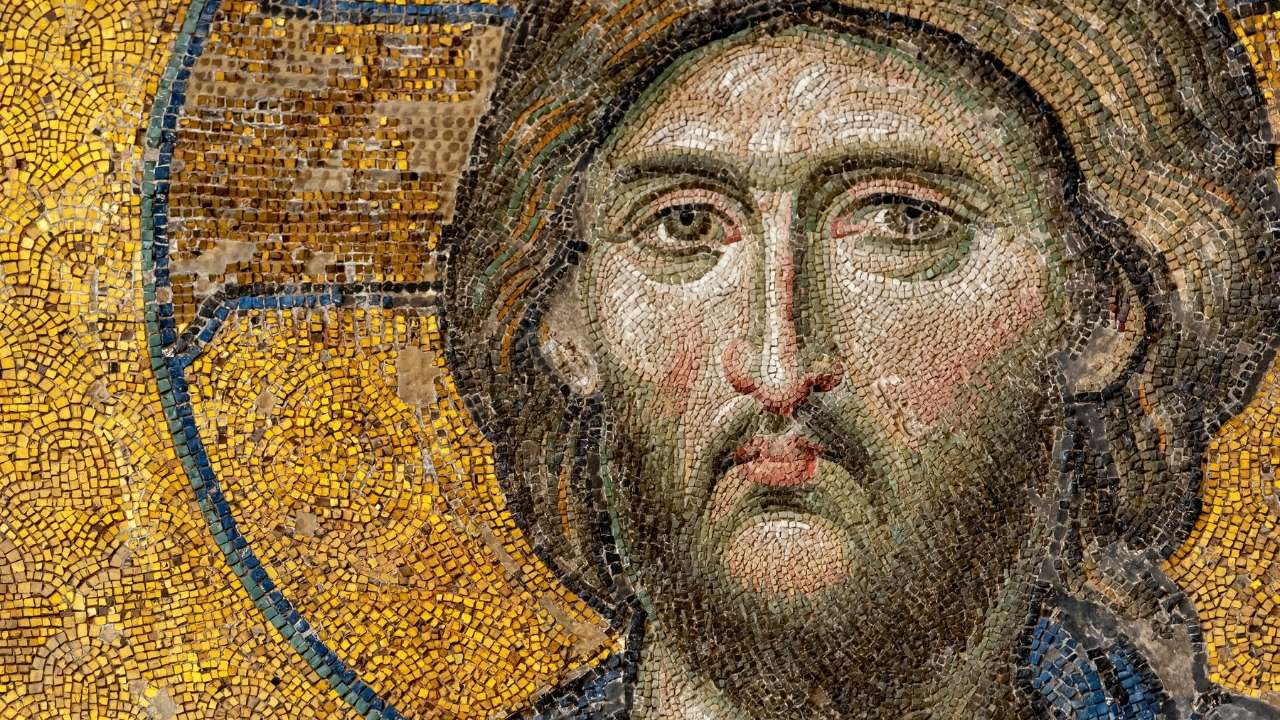
The Feast of the Holy Name of Jesus is a celebration of the sacred name given to the Son of God, as revealed by the angel to Mary and Joseph before His birth. The name “Jesus” means “God saves,” and it encapsulates His mission to redeem humanity.
The devotion to the Holy Name has deep roots in the Church, promoted especially by St. Bernardine of Siena and the Franciscan order in the 15th century. It encourages the faithful to honor Jesus’ name in their speech and prayers and to trust in its power as a source of grace and protection.
Incorporating it at Home: Celebrate this feast by incorporating the Holy Name of Jesus into your family’s prayers. Recite the Litany of the Holy Name of Jesus together, reflecting on the titles that describe His divine mission.
Explain to children the importance of speaking the name of Jesus with reverence and love.
The Epiphany (January 6th)
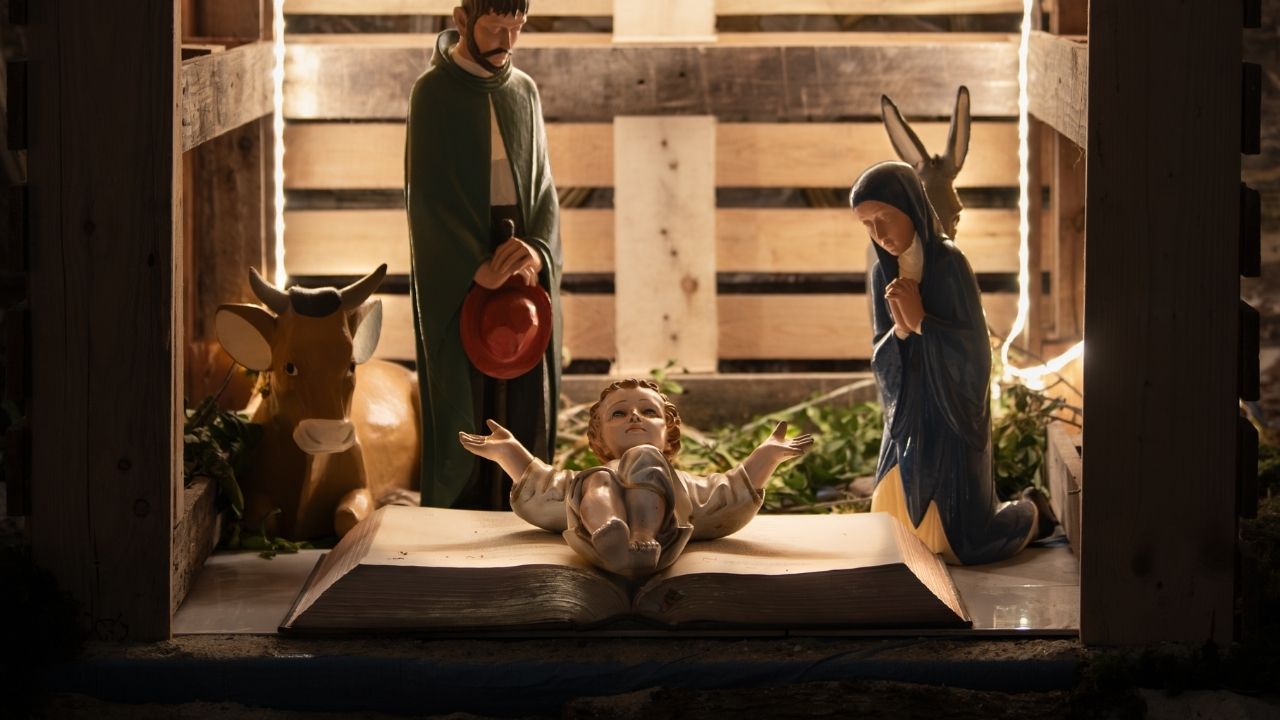
The Epiphany, also known as Three Kings’ Day, celebrates the visit of the Magi to the Christ Child. This feast honors the revelation of Jesus as the Savior, not only to the people of Israel but to the Gentiles and the whole world. The Magi, guided by the Star of Bethlehem, brought gifts of gold, frankincense, and myrrh, each symbolizing an aspect of Christ’s identity: gold for His kingship, frankincense for His divinity, and myrrh as a foreshadowing of His suffering and death.
The Epiphany marks the culmination of the Christmas season and invites Catholics to reflect on the universality of Christ’s mission. It is a reminder to seek and adore Jesus as the Magi did, offering Him the gifts of our lives and hearts.
Incorporating it at Home:
Attend Mass as a family and reflect on the Gospel reading of the Magi’s journey. At home, you can celebrate with a special meal, incorporating symbolic foods like spiced cakes or anything tied to the story of the Magi.
One beautiful tradition is the blessing of the home, where the initials of the Magi (C+M+B) are written above the door along with the year. This symbolizes both the names of the Magi—Caspar, Melchior, and Balthasar—and the Latin phrase “Christus Mansionem Benedicat,” meaning “May Christ bless this house.”
For our children and in our home, the Magi are placed in the Nativity after their journey around our house throughout the season.
Candlemas Day, The Feast of the Presentation (February 2nd)
Candlemas, celebrated on February 2nd, marks the Feast of the Presentation of the Lord in the Temple, 40 days after His birth. This feast recalls the moment when Mary and Joseph brought the infant Jesus to the Temple to fulfill the Jewish law. There, Simeon and Anna recognized Him as the Messiah, with Simeon proclaiming Jesus as “a light for revelation to the Gentiles and for glory to your people Israel” (Luke 2:32). Candlemas also commemorates Mary’s obedience and faith as she followed the law of purification.
The blessing and procession of candles on this day symbolize Christ as the Light of the World, shining in the darkness and offering salvation to all. This beautiful tradition reminds Catholics of their call to reflect Christ’s light in their lives and to trust in God’s promises, as Simeon and Anna did.
Incorporating it at Home:
Attend Mass as a family and bring candles to be blessed for use in your home throughout the year. These blessed candles can be used during family prayer, in times of need, or as a sign of faith during storms or sickness. At home, read the Gospel account of the Presentation and discuss its significance with your children, focusing on the faith of Mary, Joseph, Simeon, and Anna.
Light candles during a family meal or prayer time, reflecting on how Christ’s light brings hope to the world. For younger children, explain that Jesus is like a candle that lights up our hearts and drives away fear. Candlemas offers a meaningful way to close the Christmas cycle and renew your family’s focus on living in the light of Christ.
The beauty of Catholic Christmas traditions lies in their ability to draw us deeper into the mystery of Christ’s birth and to remind us of God’s presence in our daily lives. By weaving these traditions into our homes and hearts, we keep Christ at the center of Christmas.