2024 Food Shortage Predictions

As the inputs for production become pricier, so do the end products.
Factor in ongoing bloody conflicts in Europe and the Middle East, the destruction of key infrastructure, rampant inflation, the cost of living crisis that is making life difficult for most, the amplifying impact of climactic challenges like droughts and storms, and the trajectory of food prices becomes even more precarious.
Navigating the uncertainties of food shortages in 2024 demands a strategic approach, whether you find yourself in a city apartment, suburban home, or tending to a homestead. The warning signals about certain foods being in short supply have already sounded, prompting a ripple effect on costs.
In this article, we’ll explore the factors at play and equip you with actionable insights to safeguard your food security amidst these complexities.
Keep reading to find the 10 foods that will be in short demand and/or whose price is expected to rise.
According to the USDA Food prices are expected to continue to decelerate but not decline in 2024. In 2024, all food prices are predicted to increase by 2.1 percent.
For official USDA farm-level price forecasts, see World Agricultural Supply and Demand Estimates at a Glance. For additional information, detailed explanations, and analyses of farm-level prices, see USDA Economic Research Service Outlook publications including Livestock, Dairy, and Poultry, Oil Crops, Wheat, Fruit and Tree Nuts, and Vegetables and Pulses.
See the Overview page for Consumer Price Index and Producer Price Index datasets.
Here are the 10 foods that may be severely affected.
Wheat, Flour, & Bread

Save This Page
In the world of kitchen basics, wheat and flour are facing a tough time with the war in Ukraine, global famines, and harsh droughts. Brace yourself for a probable hike in prices, considering that the average cost of flour has already shot up by 28%.
Rice
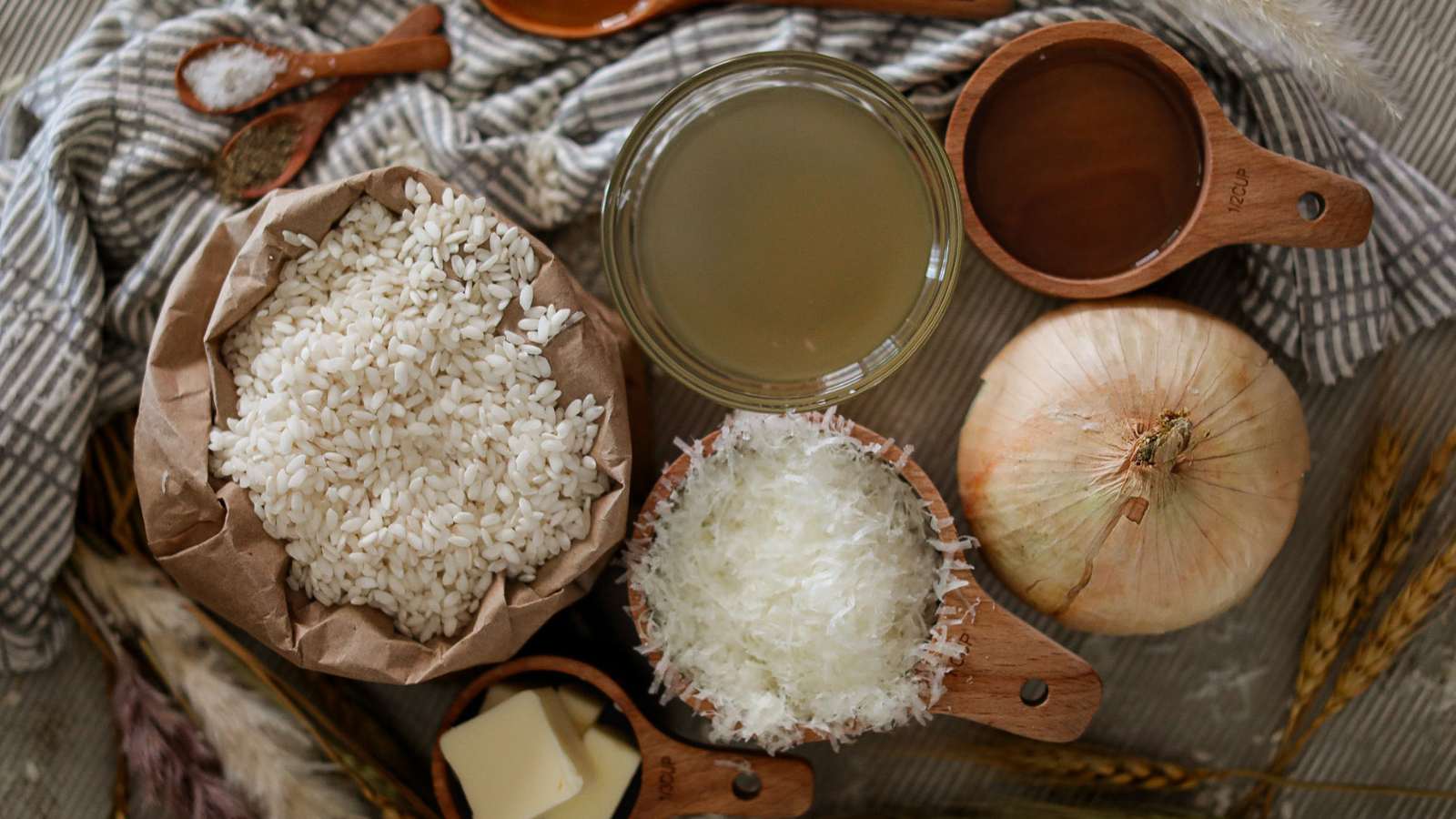
Another kitchen staple, rice, is grappling with challenges from droughts, floods, and extreme weather. The increased demand for rice, partly due to the demand for wheat, is pushing prices higher. Adding to the complexity, India’s export ban is playing its part in the rise.
Eggs
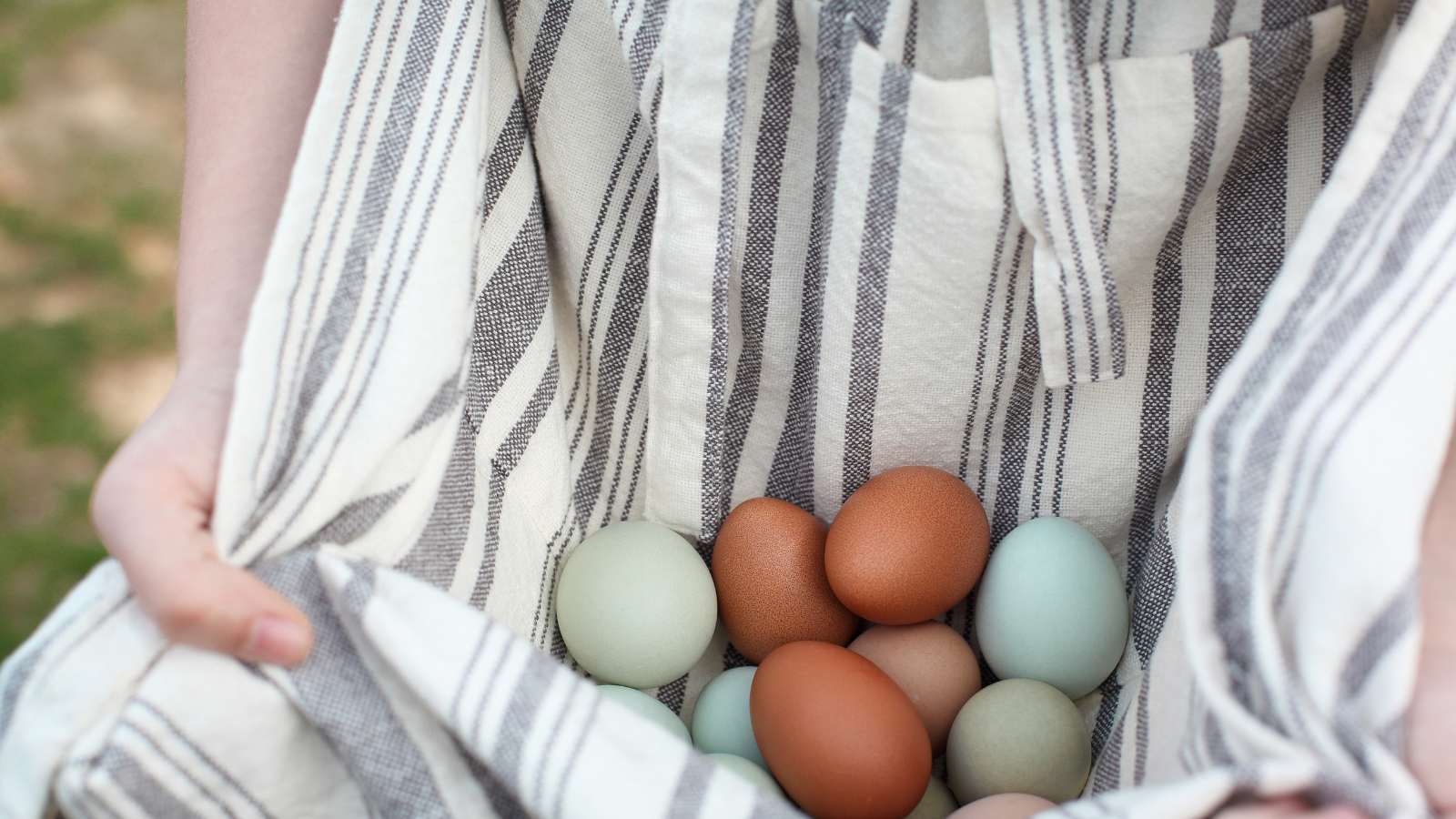
As avian flu concerns persist, the global egg production landscape remains under constant threat. Avian flu, a contagious viral disease affecting birds, has the potential to disrupt poultry farms, impacting both the supply and the pricing of eggs. The resilience of the egg industry faces a dual challenge — not only is the direct production of eggs at risk, but the perceived threat can also trigger changes in consumer behavior, leading to fluctuations in demand.
Chicken

Avian flu remains a persistent threat to global egg production, affecting both supply and pricing. The close connection between laying hens and chickens raised for meat means that diseases like avian flu can simultaneously disrupt egg and chicken meat production. This interdependence underscores the delicate balance in the poultry industry, where the health of birds directly impacts the availability and cost of essential protein sources, including eggs and chicken meat.
Cooking Oils, Seed Oils, & Olive Oil

We don’t eat seed oils and prefer pastured lard, tallow, ghee, and other real fats. But we do love good quality olive oil, which is threatened with severe weather in Italy, leading to reduced production.
And if you use vegetable (soy), canola, or corn oils, be prepared for continued price hikes. Blame it on poor harvests from severe weather and supply chain issues brought on by the pandemic and war in Ukraine.
Butter

Dairy farms shutting down across America are paving the way for more frequent dairy shortages.
Tomatoes
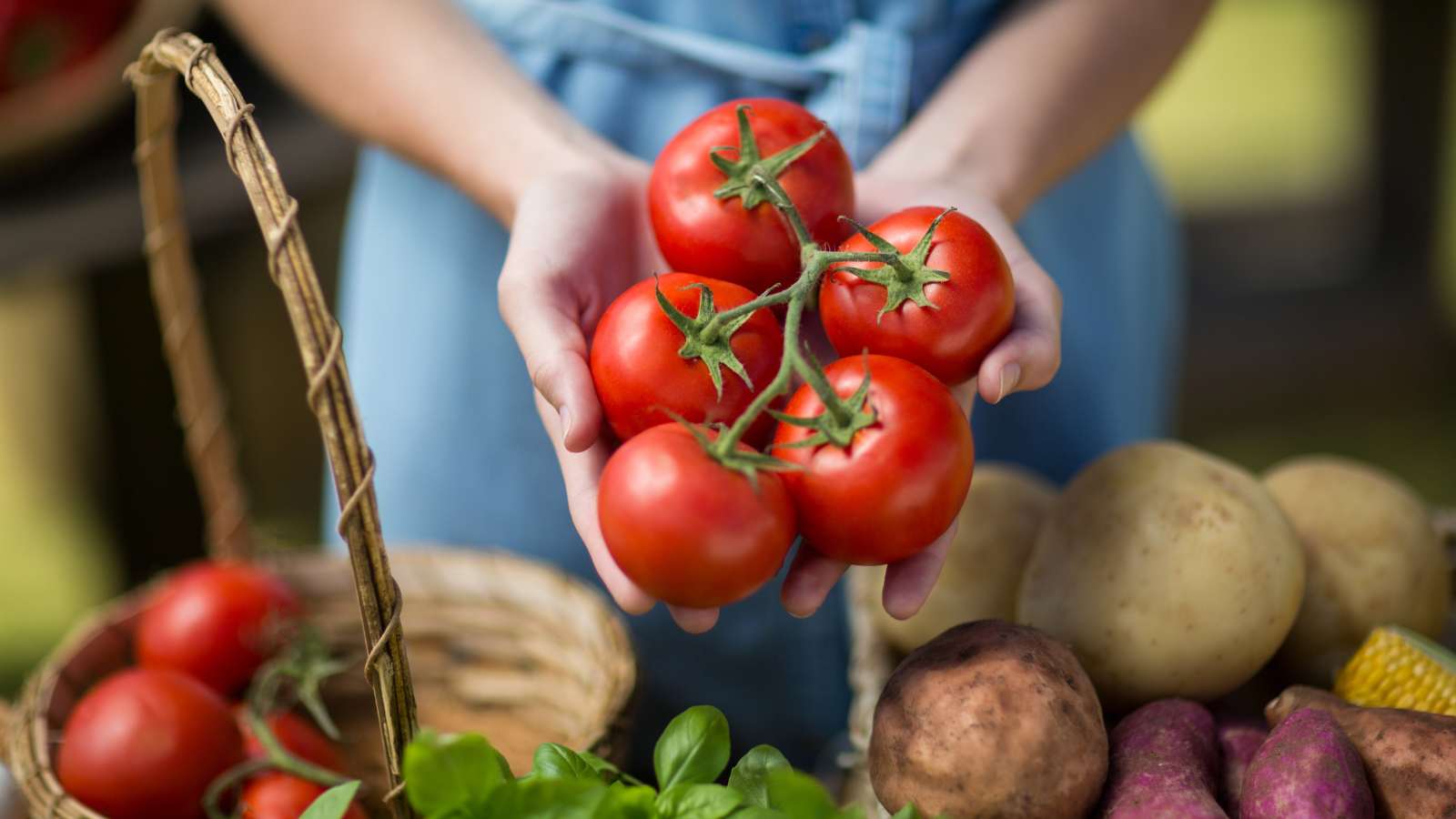
The shortage of tomatoes is set to impact products made with them, such as sauces and canned tomato products, potentially causing price hikes.
Beef
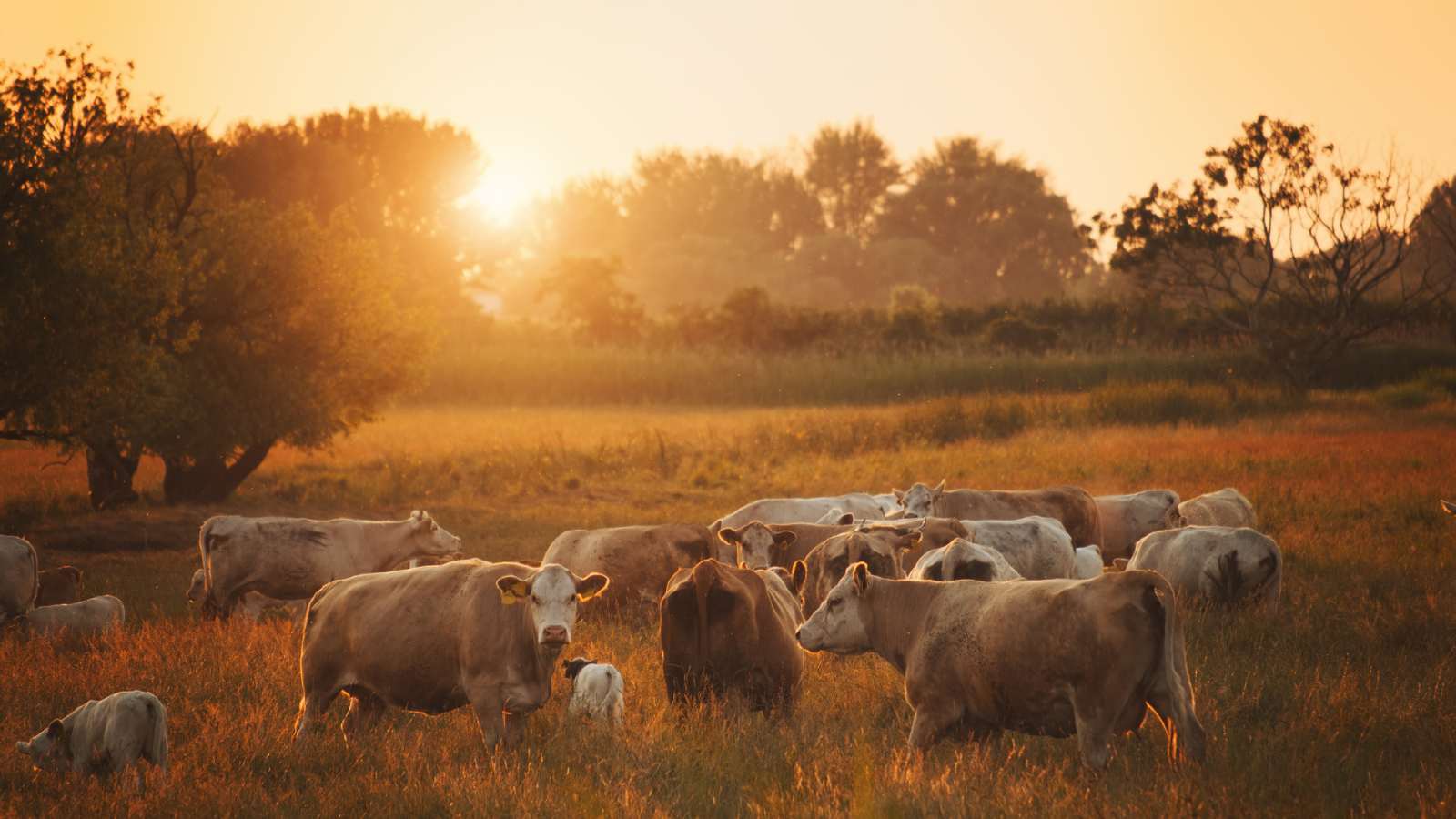
Rising feed costs and water scarcity are putting pressure on beef prices. As farmers liquidate and exit ranching, the influx of beef into the market may lead to price fluctuations. Keep an eye out, and if you notice beef prices dropping, it might be a cue to invest in a chest freezer and stock up. Prices won’t stay down for long.
Canned Foods

The increasing cost and scarcity of aluminum are making canned goods more expensive. If your pantry relies on cans, take note. Canned tuna and other sources of quality protein are likely to see price increases.
Rising costs of ingredients and packaging are also impacting pet foods.
Fruits
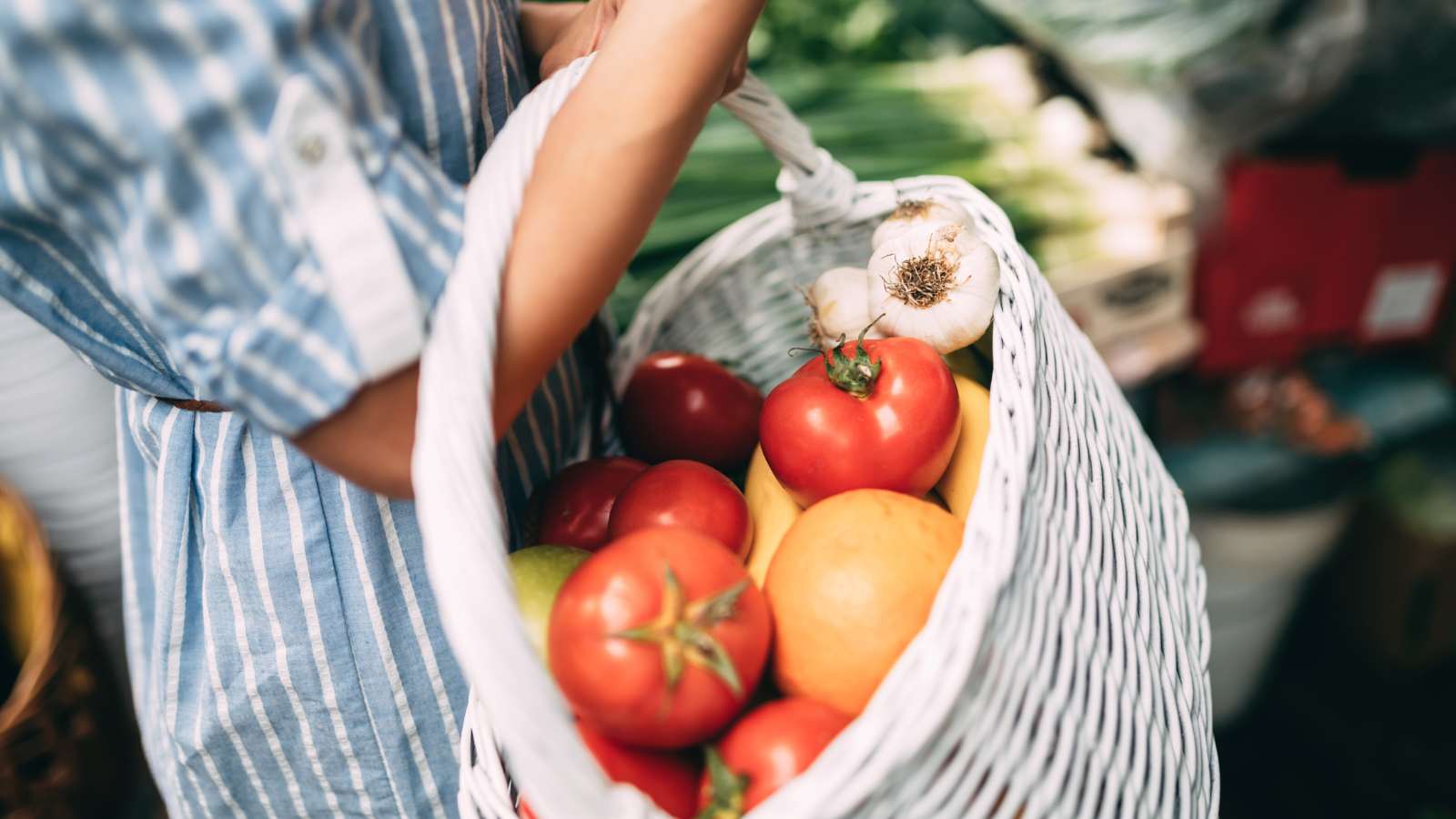
Fruit will continue to rise in price. Certain crops like oranges, mangoes, and bananas might be most affected.
Okay, so what do you do about this?
Well, you might not like my suggestions, but you can read about them here in the original article, where I go into detail about what I and other people are actively doing to take back control and save money on groceries.